

By: Swarnalata
Published on: Jun 12, 2025
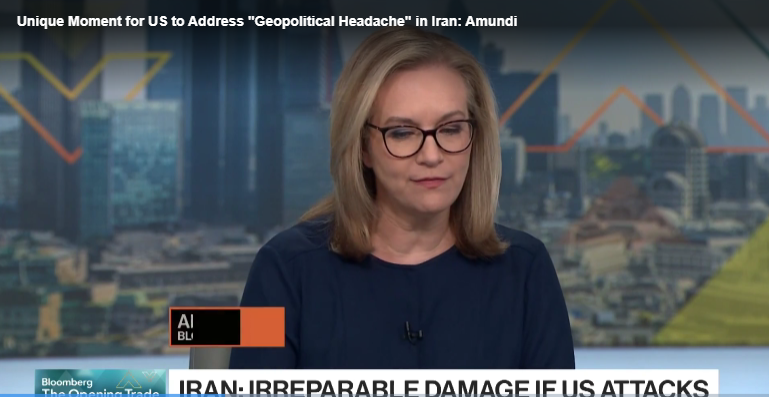
Oil prices slightly dipped on Thursday morning, retreating after a strong rally earlier in the week. Despite this minor decline, crude futures hovered around their highest levels in nearly two months, underscoring ongoing concerns about geopolitical instability in the Middle East. The market's nervous optimism stems from escalating tensions between the U.S., Iran, and Israel, paired with promising economic signals such as increased demand and falling U.S. stockpiles.
As investors digest a volatile mix of political uncertainty and demand recovery, oil continues to trade in a narrow high range. Meanwhile, gold surged as traders sought the safety of precious metals amid mounting global risks.
The oil market's reaction was triggered by unsettling developments in the Middle East. Reports from CBS News suggested that the U.S. was preparing a partial evacuation of its embassy in Baghdad, Iraq. This precautionary measure followed indications that Israel might be preparing a military operation targeting Iran. In retaliation, Iran's defense minister warned that all U.S. bases within the region were within striking distance.
Aziz Nasirzadeh, Iran’s defense minister, said in a press conference:
"Some officials on the other side threaten conflict if negotiations don't come to fruition. If a conflict is imposed on us, all U.S. bases are within our reach and we will boldly target them in host countries."
Such hostile rhetoric increases the probability of direct military confrontation, which could jeopardize critical oil supply lines in the Gulf region. With the Strait of Hormuz — a vital channel for one-fifth of global oil exports — sitting at the center of this geopolitical flashpoint, even the threat of conflict has been enough to keep oil prices elevated.
Matt Britzman, senior equity analyst at Hargreaves Lansdown, commented on the market's resilience:
“Oil prices remain near a two-month high driven by rising U.S.-Iran tensions and fears of supply disruptions. At the same time, optimism about energy demand grew after the U.S. and China reached a trade framework, and U.S. crude stockpiles fell more than expected, signaling strong consumption.”
This dual-pronged dynamic — rising geopolitical tension and encouraging demand fundamentals — is what’s currently keeping oil prices buoyant. Even after Thursday’s minor dip, traders remain bullish over near-term energy demand recovery.
In an additional positive for global oil demand, U.S. and China trade relations appear to be thawing. Former President Donald Trump stated via social media that the deal with China is “DONE, SUBJECT TO FINAL APPROVAL WITH PRESIDENT XI AND ME.”
This potential trade agreement boosts investor sentiment, especially in commodities that rely heavily on global trade activity, like oil. Improved relations between the world’s two largest economies could invigorate industrial production, transportation, and consumer activity — all of which are major drivers of oil demand.
Further supporting the bullish tone in energy markets was a larger-than-expected drawdown in U.S. crude inventories. According to the Energy Information Administration (EIA), U.S. stockpiles fell by 3.8 million barrels last week — a sign that consumption remains robust despite economic uncertainties.
Lower inventory levels are often interpreted as a proxy for rising consumer demand and tighter supply conditions. This trend complements the geopolitical risks, creating a strong fundamental base for oil prices to stay elevated in the short term.
As oil markets reacted to geopolitical instability, so too did gold — but in the opposite direction. The yellow metal saw significant inflows as traders sought refuge in safer assets. Gold futures surged nearly 1% to $3,376 per ounce, while spot gold nudged up 0.1% to $3,359.49.
Traditionally, gold performs well in times of uncertainty. With inflation fears and political instability back in the spotlight, the metal’s role as a hedge has once again come into play.
Another market-moving data point released this week was the U.S. Consumer Price Index (CPI) report. According to official data, CPI rose just 0.1% month-over-month in May, below April’s 0.2% increase and also shy of economists' forecasts.
On an annual basis, prices increased by 2.4% in May, a modest uptick from April’s 2.3% and the lowest yearly inflation rate since February 2021. These figures may provide the Federal Reserve with additional room to keep interest rates steady or even consider cuts later this year — a development that could indirectly support energy and gold prices alike.
The combined impact of these developments paints a complicated picture for global markets:
While the near-term outlook for energy remains bullish, much will depend on how the situation in the Middle East evolves. Traders should keep a close eye on diplomatic developments, military movements, and further economic data releases.
Oil’s recent strength is a clear reflection of markets pricing in geopolitical risk and rising demand. Despite Thursday’s slight decline, the commodity remains one of the best performers of the quarter. Similarly, gold’s resurgence highlights the return of hedging behavior among investors bracing for more uncertainty ahead.
With Iran-U.S. tensions reaching new highs, and global trade conditions showing signs of improvement, both risk and opportunity lie ahead for energy and commodities investors. Cautious optimism remains the sentiment of the hour — but as always, one headline can change everything.



Comments
No comments yet. Be the first to comment!
Leave a Comment