

Asian Markets Plunge as Trump’s 2025 Tariffs Ignite Global Trade Turmoil
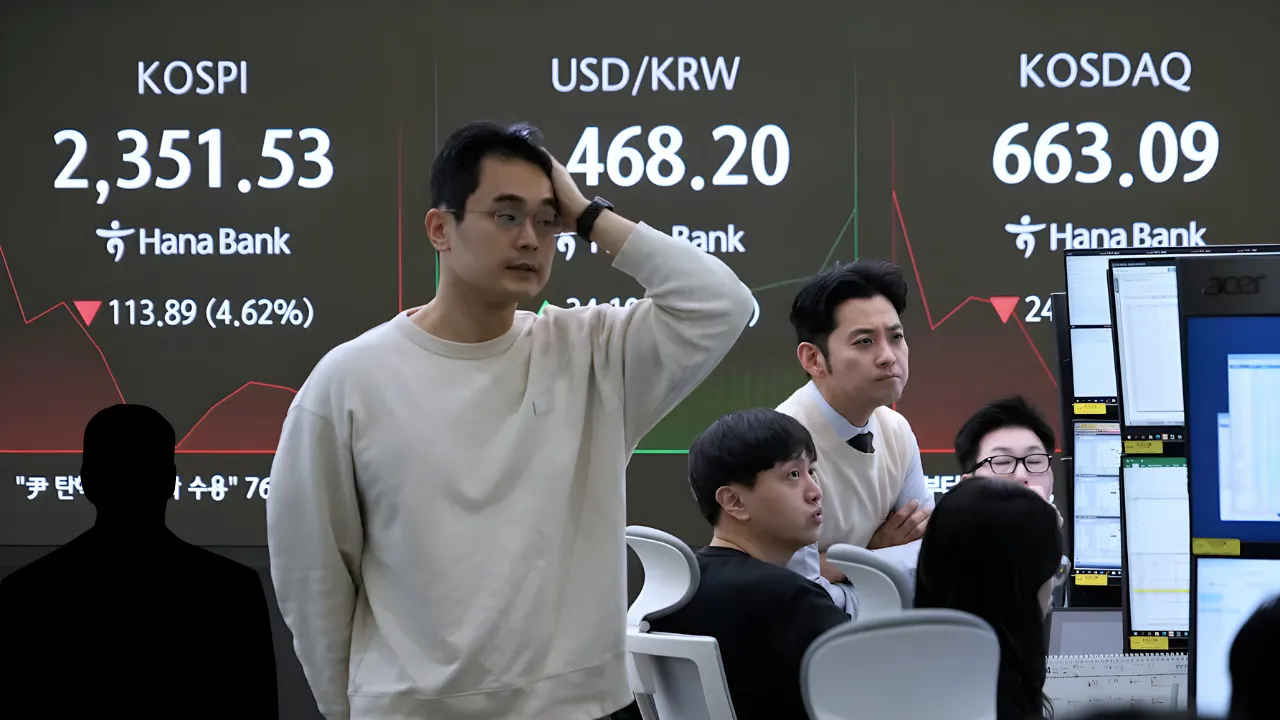
April 7, 2025 — Asian financial markets nosedived on Monday, mirroring Wall Street’s historic two-day collapse, as former U.S. President Donald Trump’s aggressive tariff policies sent shockwaves through the global economy. The sweeping tariffs, announced on April 2, 2025, target over $1.5 trillion in imports from key trading partners, including China, the EU, and Southeast Asia. With retaliatory measures escalating and no resolution in sight, analysts warn of prolonged market volatility and a potential global recession.
Trump Doubles Down: “Tariffs Are Necessary Medicine”
In a defiant statement aboard Air Force One, Trump refused to retreat from his protectionist agenda, framing the tariffs as a corrective measure for decades of “unfair” trade practices. “We’re done losing,” he declared. “If countries want access to our markets, they’ll play by our rules.” The tariffs, set to take effect April 9, 2025, range from 25–40% on electronics, automobiles, and agricultural goods, fulfilling Trump’s longstanding campaign promise to overhaul U.S. trade policy.
Key Tariff Details:
-
$600B in Chinese imports targeted (up from 2020 levels).
-
15% levy on EU steel and aluminum, reigniting 2018 tensions.
-
10% tariff on ASEAN electronics, hitting manufacturing hubs like Vietnam.
Trump dismissed concerns over market turmoil, stating, “Sometimes you need medicine to heal,” while claiming “50+ nations” had sought negotiations. However, China’s Commerce Ministry swiftly denounced the move as “economic bullying,” vowing to impose matching tariffs on U.S. tech and farm exports.
Asian Markets in Freefall: Nikkei, Hang Seng Hit Hard
Monday’s trading session saw historic losses across Asia:
| Market | Drop | Lowest Since |
|---|---|---|
| Nikkei 225 (Japan) | -8% | 2016 (post-Brexit) |
| Hang Seng (HK) | -9.4% | 2008 crisis |
| Shanghai Comp. | -6.2% | 2019 trade war |
| Kospi (S. Korea) | -4.1% | 2020 pandemic |
Tech and export-driven stocks bore the brunt, with Samsung (KRX: 005930) and Toyota (TYO: 7203) plunging 12% and 9%, respectively. U.S. futures also signaled trouble, with Dow Jones and S&P 500 contracts down 3% pre-market.
Why Markets Are Panicking:
-
Supply Chain Disruptions: Tariffs threaten just-in-time manufacturing, critical for electronics and autos.
-
Retaliation Risks: China’s tariffs on U.S. soybeans and semiconductors could ignite sector-specific crises.
-
Inflation Fears: Higher import costs may spike consumer prices globally.
Global Responses: From Retaliation to Diplomatic Maneuvers
Countries are scrambling to counter Trump’s tariffs:
-
China: Announced $300B in tariffs targeting U.S. agriculture and Boeing (NYSE: BA).
-
EU: Threatening levies on Kentucky bourbon and Harley-Davidson (NYSE: HOG).
-
Japan: Petitioning the WTO, calling the measures “WTO-illegal.”
Emerging markets face heightened risks. Vietnam’s VN-Index dropped 7%, while India’s Sensex fell 5% amid fears of reduced FDI. “This isn’t just a trade war—it’s a systemic realignment,” warned IMF Chief Kristalina Georgieva.
Historical Context: Trump’s Long-Standing Trade Agenda
Trump’s 2025 tariffs echo his 2017–2021 policies but with broader scope. Key differences include:
-
No Congressional Oversight: Leveraging executive powers expanded during his prior term.
-
Focus on Tech Dominance: Targeting semiconductors and AI components to curb China’s rise.
-
Alliance Shifts: Straining ties with traditional partners like Japan and Germany.
“This is Trump 2.0—more aggressive, less predictable,” said Brookings Institution analyst Thomas Wright.
Sector-Specific Impacts: Who Loses Most?
-
Tech: Tariffs on chips and rare earth metals could delay 5G and EV production.
-
Automotive: Toyota and Ford (NYSE: F) face $4B in combined costs, per J.P. Morgan.
-
Agriculture: U.S. soybean futures dropped 10%, harming Midwest farmers.
Expert Predictions: Recession Risks and Market Strategies
Goldman Sachs revised its 2025 global GDP growth forecast to 2.1% (from 3.4%), citing trade headwinds. Morgan Stanley advises clients to pivot to defensive stocks (utilities, healthcare) and gold.
“The sell-off isn’t over,” cautioned Ray Dalio of Bridgewater Associates. “Investors should brace for 10–15% more downside before stabilization.”
What’s Next? Pathways to De-Escalation
Potential scenarios include:
-
Bilateral Deals: Trump may exempt allies like Australia or Canada post-negotiations.
-
WTO Intervention: Lengthy disputes likely, but outcomes uncertain.
-
Market-Driven Truce: Prolonged volatility could force a compromise.
FAQs: Trump’s 2025 Tariffs and Market Fallout
Q: How do tariffs affect everyday consumers?
A: Higher prices on imported goods, from electronics to clothing, likely within 3–6 months.
Q: Could this trigger a 2008-level crisis?
A: Unlikely, but stagflation (high inflation + low growth) risks are rising.
Q: Which sectors are safest for investors?
A: Utilities, healthcare, and cybersecurity stocks are seen as recession-resistant.
Conclusion: Navigating a New Era of Trade Uncertainty
Trump’s tariffs have thrust the global economy into uncharted territory, with Asian markets serving as the canary in the coal mine. As nations scramble to adapt, businesses and investors must prioritize agility—diversifying supply chains, hedging against currency swings, and preparing for sustained volatility. While the path to resolution remains unclear, one truth is evident: the rules of global trade are being rewritten, and the world must adjust accordingly.