

Bank of England Poised to Cut Interest Rates in May: Inflation and Wage Trends Set the Stage
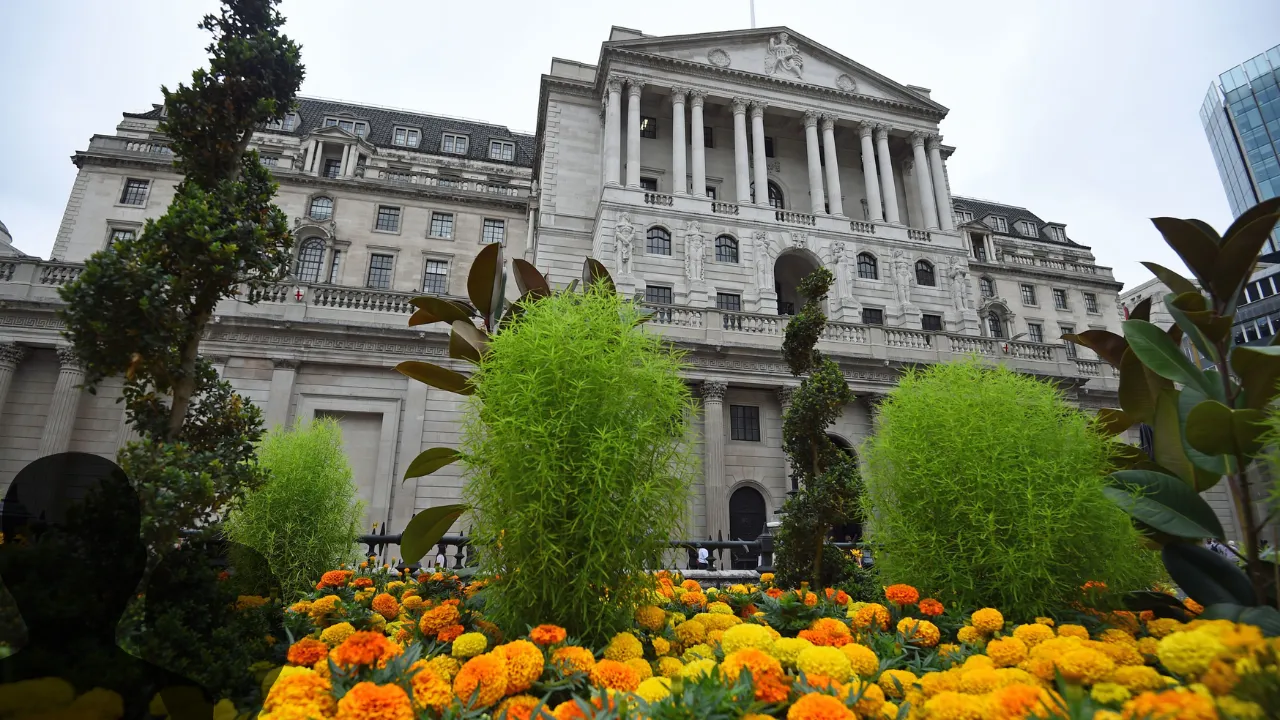
The Bank of England (BoE) is widely expected to cut interest rates in May 2025, marking a pivotal shift in monetary policy as UK inflation continues its downward trajectory. With the Consumer Price Index (CPI) falling to 2.6% in March—its lowest level since December—the central bank appears ready to ease borrowing costs for households and businesses. Financial markets now price in an 86% probability of a quarter-point rate cut on May 8, with analysts forecasting at least three reductions this year.
This article breaks down the latest inflation data, wage growth trends, and expert insights shaping the BoE’s decision-making process.
UK Inflation Drops to 2.6%: A Step Closer to the 2% Target
The Office for National Statistics (ONS) reported that UK inflation declined to 2.6% in March 2025, down from 2.8% in February and 3% in January. This marks the third consecutive month of cooling price pressures, driven by falling petrol costs and easing supply chain bottlenecks. However, the drop is likely temporary, as April’s utility bill hikes and council tax increases threaten to push inflation back toward 3%.
Key Drivers of March’s Inflation Decline:
- Energy Prices: A 5% month-on-month drop in petrol and diesel costs.
- Food Prices: Stabilization in grocery inflation (3.2% YoY vs. 3.4% in February).
- Goods Inflation: Fell to 1.8%, reflecting weaker global demand.
Despite the progress, services inflation—a critical metric for the BoE—remains elevated at 4.7%, down from 5% in February. Housing costs, including rents and council tax, continue to pressure this category.
Bank of England’s Balancing Act: Jobs Market vs. Wage Growth
The Monetary Policy Committee (MPC) faces a delicate balancing act. While inflation trends support rate cuts, robust wage growth and geopolitical risks complicate the outlook.
Labor Market Dynamics:
- Wage Growth: Average earnings (excluding bonuses) rose 5.9% YoY in the three months to February, outpacing inflation.
- Unemployment: Edged up to 4.2%, signaling a softening jobs market.
BoE Deputy Governor Clare Lombardelli recently warned that persistent wage growth could sustain inflationary pressures. However, economists argue that rising unemployment and falling job vacancies justify a gradual easing cycle.
May Rate Cut Likely: What Experts Are Saying
Financial institutions and economists widely agree the BoE will cut rates to 4.25% in May. Here’s a snapshot of expert analysis:
1. Pantheon Macroeconomics:
Chief UK Economist Rob Wood predicts back-to-back cuts in May and June, followed by another in November. He cautions that US tariffs on Chinese imports could disrupt global trade, forcing the BoE to proceed cautiously.
2. Nomura:
Analysts George Buckley and Andrzej Szczepaniak emphasize the BoE’s “gradual and careful” approach, noting April’s household bill increases will test inflation resilience.
3. Capital Economics:
Deputy Chief Economist Ruth Gregory warns inflation could rebound to 3% in April due to a 6.4% rise in energy bills and 26% spike in water bills.
4. Deutsche Bank:
“The MPC has the green light to cut rates in May,” says Chief UK Economist Sanjay Raja. “But trade uncertainties and labor market slack demand vigilance.”
The Trump Factor: How US Tariffs Could Impact the UK
Former President Donald Trump’s proposed 60% tariffs on Chinese goods have injected volatility into global markets. While the direct impact on UK inflation remains unclear, analysts highlight two risks:
- Dumping of Cheap Goods: A flood of low-priced Chinese exports to the UK could suppress domestic inflation but harm local industries.
- Oil Price Swings: Subdued global growth may keep oil prices low, offsetting energy-driven inflation.
AJ Bell’s Danni Hewson notes, “Trump’s policies could reshape trade flows, but labor costs and wage growth will dominate the BoE’s calculus.”
Household Bills Set to Rise: April’s Inflation Wildcard
April’s inflation data will reflect a 12% increase in the energy price cap, higher broadband costs, and steeper council taxes. Quilter’s Lindsay James explains, “While base effects will distort year-on-year comparisons, the BoE cannot ignore near-term price pressures.”
Projected April CPI Drivers:
- Energy Bills: Up 6.4% MoM.
- Water Bills: Surge 26% MoM.
- Mobile/Internet: Average 8% hike.
Three Rate Cuts in 2025? The Path Ahead
Markets currently price in three 25-basis-point cuts this year, which would lower the base rate to 3.75% by December. However, economists remain divided:
- NIESR: Forecasts one additional cut, citing sticky services inflation.
- Wealth Club: Expects a “long and swinging road” to the 2% target, with cuts hinging on wage growth moderation.
Monica George Michail of NIESR states, “Inflation will hover above 2% through 2025, limiting the BoE’s flexibility.”
Conclusion: May 8 Decision Could Define 2025
All eyes now turn to the BoE’s May 8 meeting, where policymakers must reconcile easing inflation with lingering risks. A rate cut appears imminent, but the scale and pace of future reductions will depend on:
- April’s Inflation Print (due May 21).
- Q1 Wage Growth Data.
- Global Trade Developments.
For UK households, lower interest rates could bring mortgage relief and cheaper loans. However, investors should brace for volatility as the BoE navigates a precarious economic landscape.