

Banks Drive Fresh Slide in World Markets: Global Financial Turmoil Explained
Introduction
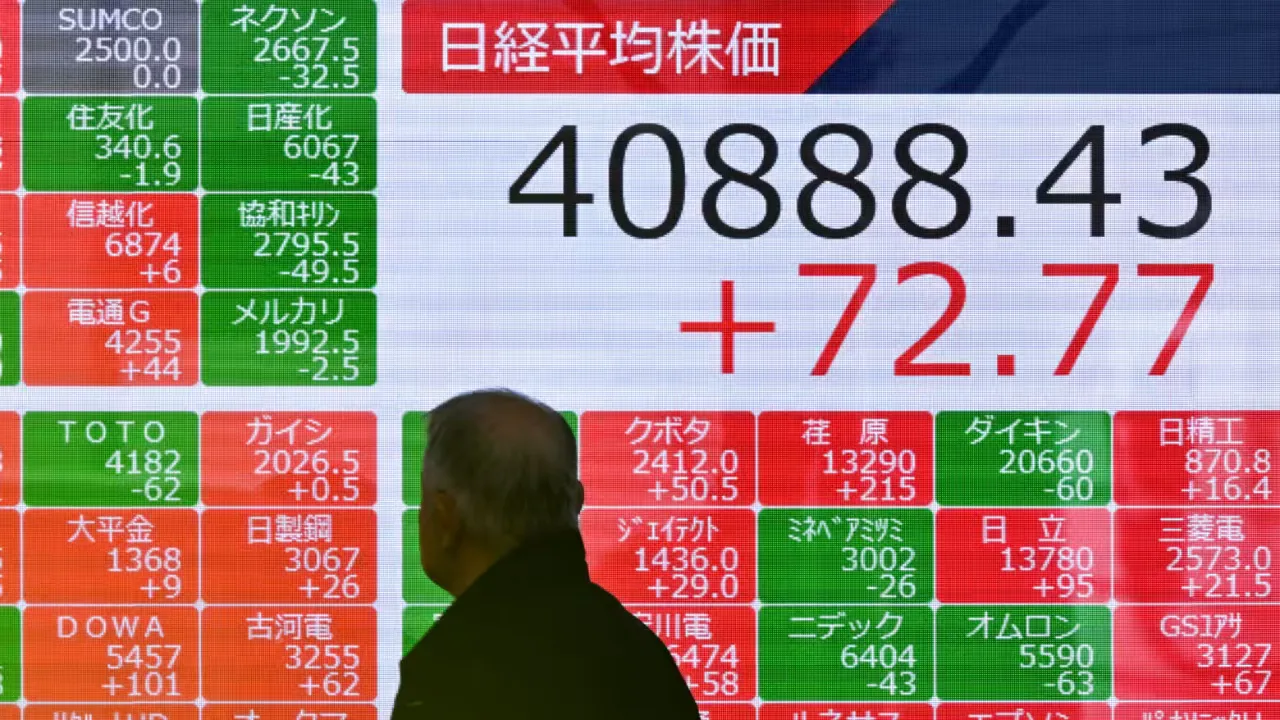
Global financial markets faced another sharp downturn as banking stocks plummeted, driven by escalating trade tensions and shifting monetary policy expectations. Japanese and European banks bore the brunt of the sell-off, with investors fleeing to safe-haven assets like U.S. Treasuries. The latest market turmoil follows U.S. President Donald Trump’s aggressive tariff policies, which have reignited fears of a global trade recession.
In this in-depth analysis, we’ll break down:
- Why bank stocks are crashing
- The impact of U.S. tariffs on Japan’s economy
- What experts say about the Bank of Japan’s (BOJ) next moves
- Key investment trends emerging from the crisis
Why Are Global Bank Stocks Falling?
1. Japanese Banks Hit Hardest
Japanese banking stocks led the decline, with investors reassessing the likelihood of further interest rate hikes by the BOJ. Earlier optimism about policy normalization has faded as trade tensions threaten Japan’s fragile economic recovery.
Key Factors:
- Flattening Yield Curve: Lower long-term bond yields squeeze bank profit margins.
- Stronger Yen: A rising yen hurts Japan’s export-driven economy, further dampening growth prospects.
- Delayed BOJ Rate Hikes: Markets now expect fewer (or no) rate hikes, hurting bank profitability.
2. European Banks Suffer Worst Drop Since 2022
European banking stocks plunged 7%, marking their steepest one-day fall since February 2022. The sector is highly sensitive to global economic uncertainty, and fears of a prolonged trade war have triggered a mass exodus from financial stocks.
3. U.S. Treasuries Rally as Safe-Haven Demand Surges
With risk aversion dominating, investors rushed into U.S. Treasuries, pushing yields lower. Traders are now pricing in over 100 basis points of Fed rate cuts this year, reflecting growing recession fears.
Expert Insights: What Analysts Are Saying
1. Chris Scicluna, Daiwa Capital Markets (London)
“We have a massive destruction of wealth going on in markets, except in fixed income. Lower bond yields and flatter yield curves are terrible for banks. Policy normalization in Japan looks less likely, creating an unfavorable environment for financial stocks.”
2. Kyle Rodda, Capital.com (Melbourne)
“The trade war has killed Japan’s reflation hopes. Falling yields, a flattening curve, and a stronger yen create a toxic mix for bank profits.”
3. Fred Neumann, HSBC (Hong Kong)
“The world has changed, and Japan is feeling the shockwaves. A weaker dollar and trade recession fears hurt Japan’s reflation prospects. BOJ rate hikes are being pushed further out.”
4. Sean Taylor, Matthews Asia (Hong Kong)
“Japanese banks surged on hopes of BOJ rate hikes, but falling U.S. yields suggest those hikes may not happen. Banks are now pricing in a ‘no hike’ scenario.”
5. Michael Makdad, Morningstar (Singapore)
“If U.S. tariffs remain, Japan could face a recession, and BOJ hikes are off the table. Bank stocks aren’t undervalued in this scenario.”
6. Jon Withaar, Pictet Asset Management (Singapore)
“Banks are caught between fading rate hike expectations and recession fears. Real estate and construction sectors, however, may benefit from lower rates.”
Investment Trends Emerging from the Crisis
1. Shift to Defensive Assets
- Investors are flocking to U.S. Treasuries, gold, and high-dividend stocks amid rising uncertainty.
2. Opportunities in Real Estate & Construction
- With interest rates likely staying low, real estate and construction stocks could outperform.
- Companies in these sectors are increasing share buybacks and improving capital efficiency, making them attractive.
3. Short-Term Volatility Ahead
- Markets will remain highly sensitive to trade war developments and central bank signals.
- Traders should watch for:
-
-
BOJ policy statements
-
Fed rate cut expectations
-
U.S.-China trade negotiations
-
Conclusion: What’s Next for Global Markets?
The latest banking sector sell-off underscores how fragile investor sentiment remains. Key takeaways:
✔ Bank stocks are highly vulnerable to trade wars and shifting rate expectations.
✔ Japan’s economy faces renewed pressure, delaying BOJ policy tightening.
✔ Safe havens like U.S. bonds will remain in demand until stability returns.
✔ Real estate and construction sectors may offer hidden opportunities.
As the situation evolves, staying informed and adjusting portfolios accordingly will be crucial. For the latest market updates, follow our financial analysis.