
Bulgaria on Track to Adopt the Euro by 2026: Economic Stability Ahead
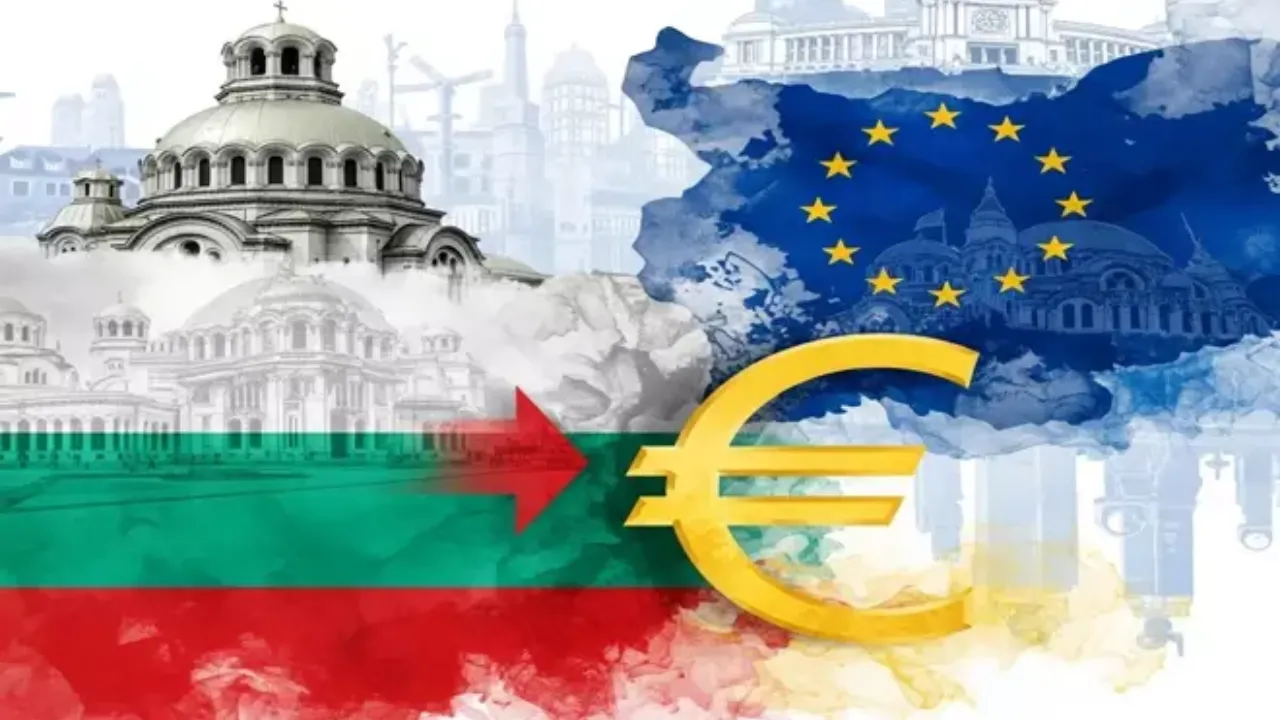
Bulgaria is poised for a major financial transformation as it progresses toward adopting the euro by January 2026. This anticipated development could bolster the country’s long-term economic stability, support monetary flexibility, and enhance market access within the broader European Union (EU). With the inflation target now met and fiscal policy remaining sound, Bulgaria is closer than ever to becoming the 21st eurozone member.
Why Euro Adoption Matters for Bulgaria
The adoption of the euro is more than just a currency change. For Bulgaria, a highly euro-ised economy where the euro already dominates trade and savings, joining the eurozone can drive economic convergence. The country’s potential annual growth could stabilize at around 2.75%, accelerating Bulgaria’s path toward the EU's average living standards.
Formally, Bulgaria submitted its request to the European Commission (EC) and the European Central Bank (ECB) for assessment on February 25, 2025. This step marks a milestone in its path to joining the Economic and Monetary Union (EMU). It also strategically deflects the decision from internal political struggles and hands it over to European institutions.
Expected Timeline and Institutional Support
The ECOFIN Council is likely to approve Bulgaria’s accession by July 8, 2025, after the special convergence report is published. This would mark a significant expansion of the euro area, following the footsteps of Croatia (2023), Lithuania (2015), and Latvia (2014).
The ECB and EC have shown increasing support for Bulgaria’s application, and financial experts at Scope Ratings believe that approval is highly likely given the progress on inflation and fiscal discipline.
Key Criteria for Euro Adoption: Inflation Control
Among the Maastricht criteria for euro adoption, inflation control has traditionally posed the greatest challenge. However, Bulgaria has recently shown strong performance in this area.
- As of April 2025, Bulgaria’s harmonised annual inflation rate dropped to 2.8%, down from 4.0% in March.
- The 12-month average, which is the benchmark for convergence, also stands at 2.7%—in line with the acceptable limit set by the ECB.
- This convergence benchmark is based on the average inflation rates of the three best-performing eurozone economies (France, Cyprus, Luxembourg) plus a margin of 1.5 percentage points.
Unlike Croatia, which required the exclusion of outlier inflation data in its application, Bulgaria’s inflation rate qualifies even without such exclusions. Scope Ratings forecasts the inflation rate to average 3.4% in 2025 and then drop to 1.6% in 2026.
This solid inflation performance provides the strongest pillar for Bulgaria’s eurozone aspirations.
Political Uncertainty: The Primary Risk
While economic metrics are trending positively, internal political turmoil remains a potential stumbling block. Since 2021, Bulgaria has faced severe political instability, reflected in seven general elections in just four years. The root of the discord lies in the divide between pro-European parties and those advocating closer ties with Russia.
This political fragmentation has historically slowed down euro-related reforms. Even now, differences persist within the ruling coalition, especially over the speed of euro adoption.
The opposition group Vazrazhdane (Revival), known for its pro-Russian stance, is pushing for a referendum to block the euro transition. Their argument focuses on public fears of inflationary pressure and budgetary constraints if Bulgaria enters the euro area.
President Rumen Radev, also perceived as pro-Russian, has voiced support for the referendum. However, the legal right to call a national referendum resides with parliament. Currently, the majority of lawmakers oppose the move and have rejected it. While the president has referred the matter to the Constitutional Court, legal analysts believe this is unlikely to derail the current euro adoption timeline.
Fiscal Health: A Balanced Yet Cautious Approach
Aside from inflation, Bulgaria’s public finances play a crucial role in its eligibility. The country's historical reputation for fiscal discipline supports its application. However, recent developments have shown a modest rise in the deficit, driven by increases in public spending.
Key Fiscal Insights:
- Bulgaria’s general government deficit remained at 3.0% of GDP in 2024, unchanged from the previous year, thanks to stronger-than-expected revenues.
- The government aims to maintain this 3.0% threshold in 2025, which aligns with EU requirements.
- Public debt is forecast to rise to 34% of GDP by 2030, up from 24% at the end of 2024. Still, it would remain among the lowest debt ratios in the EU.
Moreover, the European Commission approved Bulgaria’s fiscal-structural plan for 2025–2028 earlier this year. This endorsement supports the case that Bulgaria’s financial framework is robust, further boosting the country's candidacy.
Strategic Economic Outlook: Benefits Beyond Currency
The economic benefits of joining the euro extend far beyond using a different currency. For Bulgaria, it means:
- Reduced Transaction Costs: Businesses will no longer face exchange rate risks when dealing in euros.
- Greater Investment Appeal: With the euro in place, Bulgaria becomes more attractive to foreign investors looking for financial stability and integration.
- Improved Sovereign Ratings: Market confidence could grow, potentially leading to better credit ratings and lower borrowing costs.
- Enhanced Monetary Policy Tools: The ECB’s broad toolkit will become accessible, helping Bulgaria better respond to financial crises or macroeconomic shocks.
In addition, a successful transition would serve as a symbolic endorsement of Bulgaria's place within the European core, affirming its political and economic alignment with Western institutions.
Challenges Ahead: What Bulgaria Must Watch For
Despite the positive indicators, Bulgaria must remain vigilant on several fronts:
- Sustaining Inflation Targets: A rebound in energy prices or supply-chain disruptions could pressure inflation, potentially disqualifying the country last minute.
- Maintaining Fiscal Prudence: Rising defense and social spending must be carefully balanced to stay within EU-mandated thresholds.
- Containing Political Risks: Government stability and bipartisan support for EU integration are essential to prevent any derailment of the timeline.
Conclusion: A Defining Step in Bulgaria’s European Journey
Bulgaria is now on a clear path to adopting the euro by January 2026, provided no major political or economic setbacks emerge. The country has made significant strides in fulfilling the technical requirements, particularly in inflation control and maintaining fiscal discipline.
While political opposition exists, the broader legislative and institutional support appears strong enough to carry the process forward. If successful, Bulgaria will strengthen its economic resilience, deepen financial integration, and step further into the heart of the European Union.
As we await the final decision from the ECOFIN Council in July, the signs point to Bulgaria embracing the euro and stepping into a new chapter of economic maturity and EU integration.