

ECB Cuts Interest Rates for Eighth Time in a Year Amid Economic Uncertainty
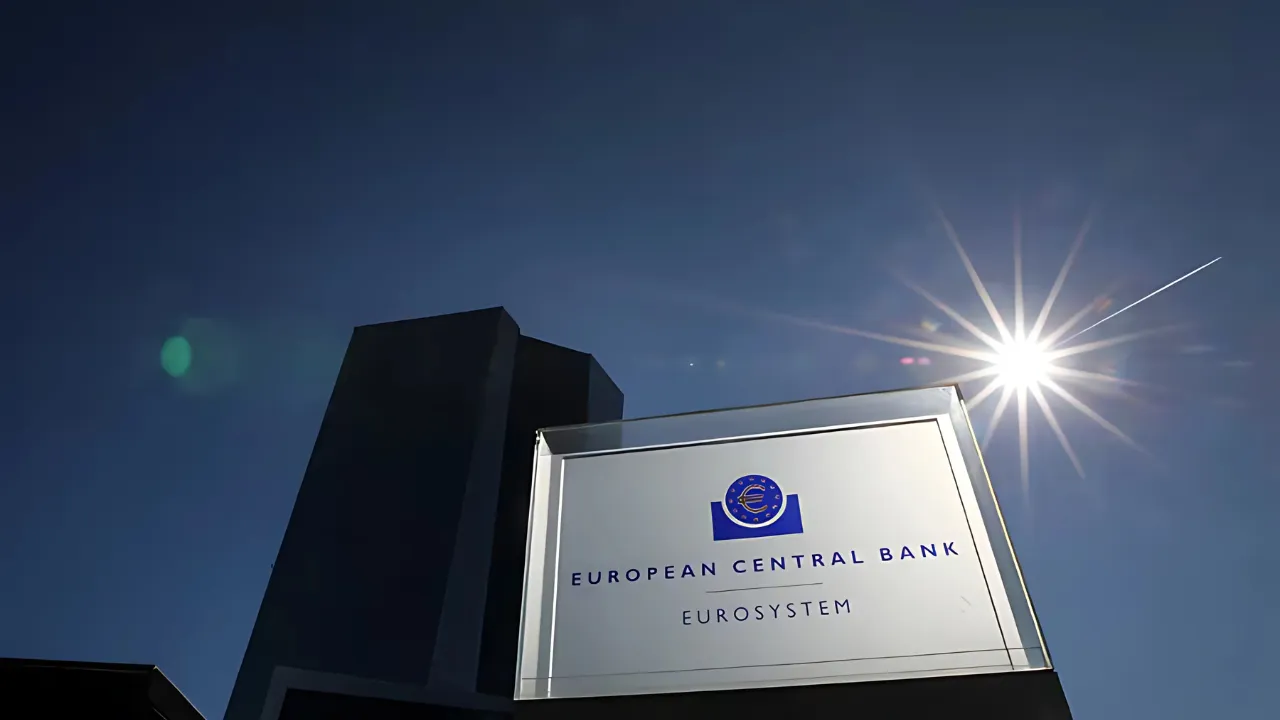
The European Central Bank (ECB) has announced its eighth consecutive interest rate cut in the past year, reducing the benchmark deposit facility rate from 2.25% to 2%. This decision comes as the eurozone economy faces mounting pressure from global trade tensions, slowing inflation, and revised growth forecasts.
Key Takeaways from the ECB’s Latest Rate Decision
- Deposit facility rate cut from 2.25% to 2%
- Main refinancing rate lowered from 2.4% to 2.15%
- Marginal lending facility rate reduced from 2.65% to 2.4%
- Eurozone inflation drops to 1.9%, below ECB’s 2% target
- 2026 GDP growth forecast revised down to 1.1% (from 1.2%)
Why the ECB Continues to Cut Rates
The ECB’s decision reflects concerns over weakening economic momentum and the impact of Donald Trump’s escalating trade war with the European Union. The central bank cited declining inflation and sluggish economic activity as key reasons for the rate cut.
Inflation Trends in the Eurozone
- Headline inflation fell to 1.9% in May, below the ECB’s 2% target.
- Core inflation (excluding food and energy) slowed to 2.4%, down from 2.7% in April.
- Month-on-month price growth was just 0.1%, signaling subdued demand.
Revised Growth Forecasts
The ECB also adjusted its economic growth projections:
- 2025 GDP growth remains at 0.9% (unchanged).
- 2026 GDP growth revised down to 1.1% (from 1.2%).
- 2027 GDP growth forecast held steady at 1.3%.
Market Reactions and Future Expectations
Financial markets had largely anticipated this rate cut, with investors now expecting a pause in July. Some ECB policymakers, including Robert Holzmann, have called for a halt in rate cuts until at least September to assess economic risks.
Key ECB Officials’ Views
- Robert Holzmann (ECB policymaker): "The ECB should pause further interest rate cuts until at least September."
- Isabel Schnabel (ECB board member): Warned of "new shocks posing new challenges."
- Anatoli Annenkov (Societe Generale economist): Highlighted concerns over trade war uncertainties and German fiscal policy.
The Impact of Trump’s Trade War on the Eurozone
The ECB’s cautious stance is partly driven by rising trade tensions between the U.S. and the EU. Former U.S. President Donald Trump recently threatened to impose 50% tariffs on EU goods, accusing the bloc of being "very difficult to deal with."
EU’s Response to U.S. Trade Threats
Maroš Šefčovič, EU Trade Commissioner, expressed optimism about reaching a deal, stating:
"Our global supply chains are so intertwined that any obstacle in the middle of the Atlantic would simply make industries less competitive."
He emphasized that negotiations are ongoing but complex, requiring patience and strategic planning.
What’s Next for the ECB?
With inflation now below target and economic growth slowing, the ECB faces a delicate balancing act. Key factors influencing future decisions include:
-
Trade War Developments – Will Trump follow through on tariff threats?
-
Inflation Trends – Will core inflation continue to ease?
-
Economic Data – How will upcoming GDP and employment figures shape policy?
Potential Scenarios
- Pause in Rate Cuts (July 2025): Likely as ECB assesses risks.
- Further Cuts (Late 2025): Possible if inflation remains weak.
- Policy Shift (2026): Could depend on U.S.-EU trade relations.
Conclusion
The ECB’s latest rate cut underscores its commitment to supporting economic growth amid global uncertainties. However, with trade tensions escalating and inflation softening, policymakers remain cautious. Investors should monitor upcoming ECB statements and U.S.-EU trade negotiations for further market signals.
For more updates on interest rates, inflation, and global markets, stay tuned to Yahoo Finance UK.