

European Markets Surge as Trump Announces 2025 Auto Parts Tariff Reduction: Trade War De-escalation Sparks Global Rally
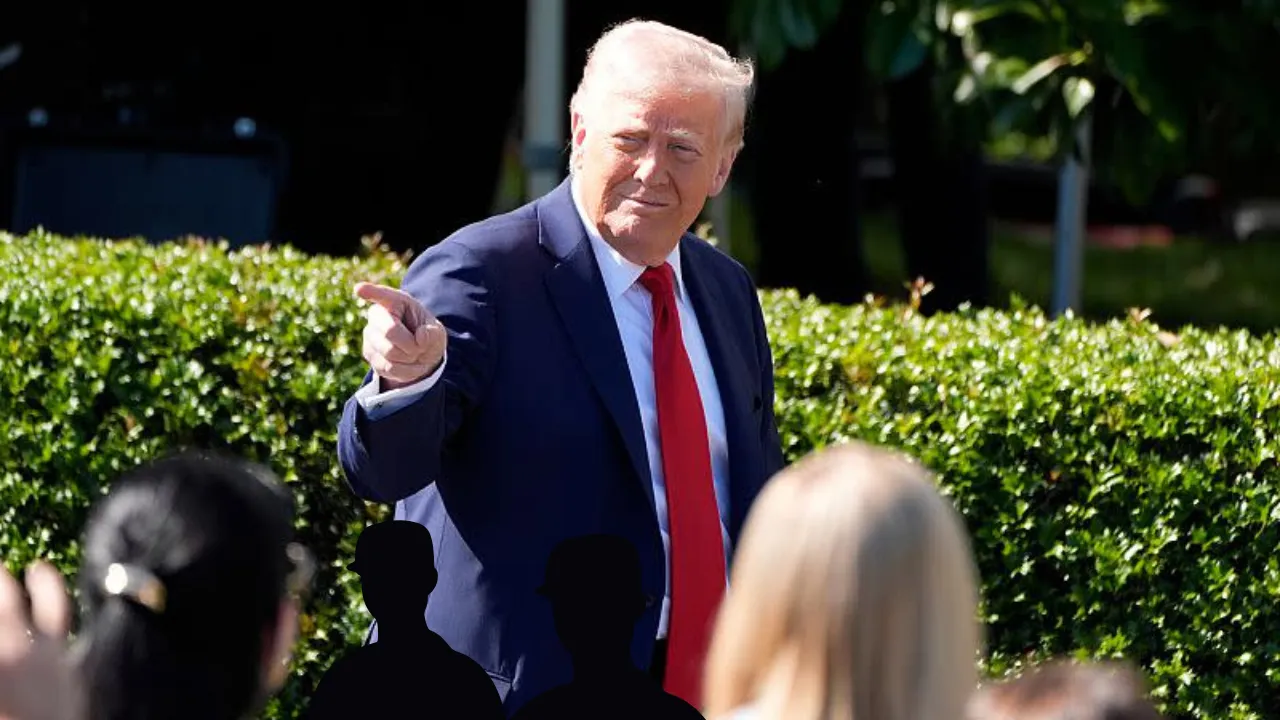
In a move that has electrified global markets, the Trump administration confirmed plans to reduce tariffs on auto parts for vehicles manufactured in the U.S., just days before a critical 25% import levy exemption was set to expire. The decision, first reported by The Wall Street Journal on April 29, 2025, has triggered a week-long rally across European and Asian indices, signaling renewed optimism in a de-escalating trade war. Here’s an in-depth look at the policy shift, its market implications, and what it means for the future of global trade.
Trump’s Tariff Rollback: A Lifeline for U.S. Automakers
The White House’s announcement marks a strategic pivot in President Trump’s trade policy, which had previously imposed sweeping reciprocal tariffs on imports earlier in April. Commerce Secretary Howard Lutnick hailed the decision as a “major victory” for domestic manufacturing, stating:
“President Trump is building an important partnership with both domestic automakers and American workers. This deal rewards companies that manufacture domestically while giving manufacturers runway to expand U.S. investments.”
The policy exempts automakers from paying overlapping tariffs on materials like steel and aluminum, easing financial pressures on giants such as Tesla and Ford. Both companies had paused new model production and shipments to China amid retaliatory tariffs, underscoring the fragility of global supply chains.
Why Now? Timing and Industry Pressure
The tariff reduction arrives as the May 3 deadline for the 25% auto parts levy exemption loomed. Trump had hinted at relief in mid-April, emphasizing his desire to “help car companies” transition to domestic parts production. This aligns with his “America First” agenda but contrasts with earlier protectionist measures that rattled markets.
Key Context:
- April 2025 Tariff Escalation: Trump’s initial reciprocal tariffs triggered a sell-off in U.S. assets, with economists warning of a global recession.
- Tech Sector Exemption: Earlier in April, electronics tariffs were rolled back after Apple’s stock plummeted, a move Trump defended by saying, “I helped Tim Cook recently.”
Market Reactions: Europe Leads Global Rally
The tariff news catalyzed gains across European indices, continuing a week-long upward trend:
- DAX (Germany): +0.46%
- Euro Stoxx 50: +0.33%
- CAC 40 (France): +0.06%
- FTSE 100 (UK): +0.11%
Asian markets followed suit during Tuesday’s session:
- Nikkei 225 (Japan): +0.38%
- ASX 200 (Australia): +0.96%
- Hang Seng (Hong Kong): +2%
- Kospi (South Korea): +0.63%
U.S. futures also edged higher, with the Dow Jones, S&P 500, and Nasdaq up 0.12%, 0.16%, and 0.22%, respectively.
Currency and Commodity Shifts: Euro Weakens, Gold Retreats
As risk-off sentiment waned, traditional safe-haven assets dipped:
-
EUR/USD: Fell 0.37% as the dollar strengthened.
-
USD/CHF: Dropped 0.55%, reflecting reduced demand for the Swiss franc.
-
Gold: Declined 1% to $3,311/ounce after a brief rebound.
The euro’s slide highlights investor confidence in a thawing U.S.-China trade conflict, though Beijing continues to deny ongoing negotiations. Treasury Secretary Stott Bessent reiterated that “it’s up to China to de-escalate,” signaling unresolved tensions.
Broader Implications: A Turning Point in the Trade War?
While the auto tariff reduction offers short-term relief, analysts caution that structural trade issues remain:
- Supply Chain Realignment: Automakers may accelerate U.S. production to avoid future tariffs, reshaping global supply networks.
- U.S.-China Stalemate: China’s refusal to acknowledge talks suggests diplomatic hurdles persist. Retaliatory measures could resurface.
- Investor Sentiment: Markets remain hypersensitive to Trump’s policy shifts, as seen in April’s tech tariff reversal.
Industry Reactions: Cautious Optimism
Domestic automakers welcomed the move but emphasized long-term challenges. A Ford spokesperson noted:
“Tariff relief provides breathing room, but rebuilding supply chains requires years, not months.”
Meanwhile, Tesla’s pause on its $25,000 mass-market EV underscores how tariffs disrupt innovation timelines.
Looking Ahead: What’s Next for Global Trade?
- Fed Policy: Will the tariff rollback ease inflationary pressures, allowing the Fed to maintain rate cuts?
- Election Dynamics: With the 2026 midterms approaching, Trump’s pivot may aim to bolster economic confidence.
- Commodity Markets: Steel and aluminum prices could stabilize if tariff exemptions hold.
Conclusion: A Delicate Balance
President Trump’s auto tariff reduction has injected optimism into global markets, but the respite may be fragile. As European indices climb and the dollar strengthens, stakeholders await clearer signals from China and the administration’s next move. For investors, the rally underscores the importance of agility in navigating trade policy volatility.