

Eurozone Inflation Drops to 2.2%: ECB Rate Cuts Gain Momentum as Price Pressures Ease
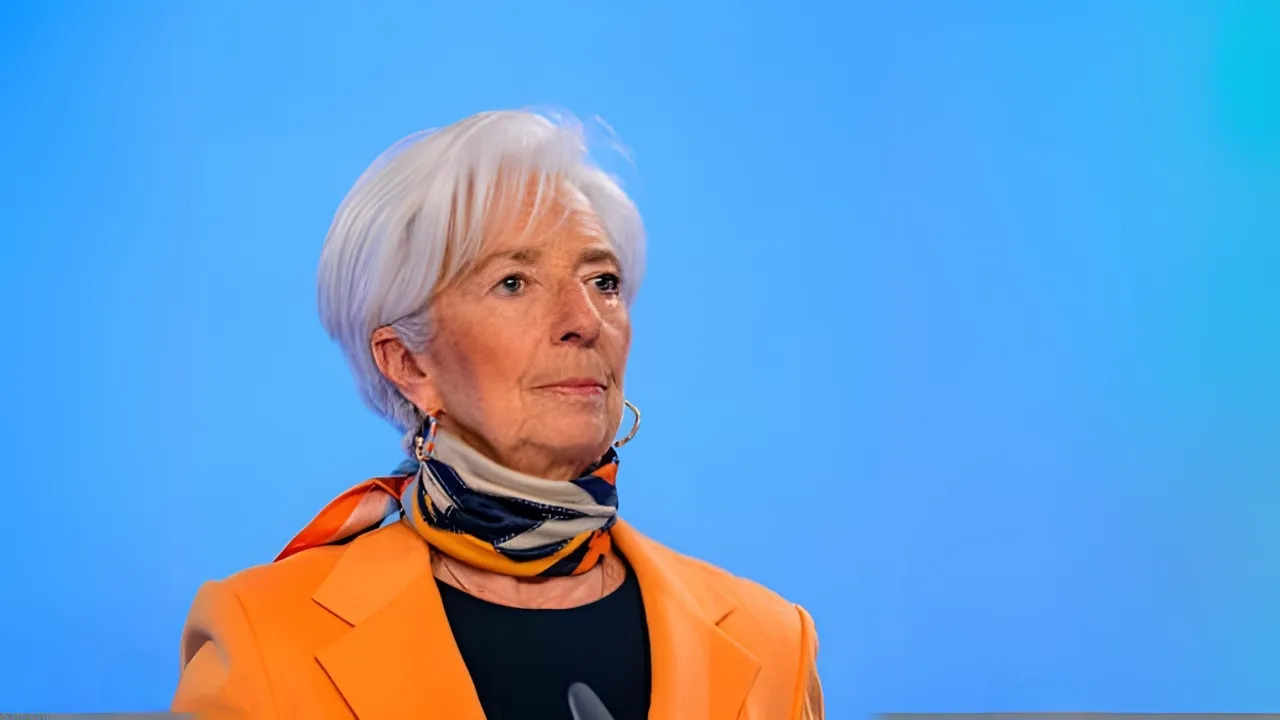
Key Takeaways:
- Eurozone inflation falls to 2.2% in March, down from 2.3% in February.
- Services inflation remains sticky at 3.4% but shows signs of cooling.
- ECB rate cuts likely to accelerate as policymakers prioritize economic growth.
- Energy costs decline, while food prices rise, reflecting uneven sector trends.
- Stoxx 600 surges 1.2% as markets price in dovish monetary policy shifts.
Eurozone Inflation Trends: A Closer Look at March 2025 Data
The Eurozone’s inflation rate edged lower to 2.2% in March 2025, according to preliminary data from Eurostat, marking a steady decline from February’s revised 2.3% and January’s six-month high of 2.5%. This cooling trend strengthens the European Central Bank’s (ECB) case for further interest rate cuts, signaling a pivotal shift in monetary policy aimed at revitalizing the bloc’s sluggish economy.
Sector Breakdown: Where Prices Are Rising (and Falling)
-
Services Inflation Stays Elevated
Despite the overall slowdown, services inflation remains a sticking point at 3.4% year-on-year—down from February’s 3.7% but still well above the ECB’s 2% target. Analysts attribute this to persistent wage growth and strong consumer demand in sectors like tourism, healthcare, and hospitality. -
Food, Alcohol, and Tobacco Prices Climb
Prices for food, alcohol, and tobacco accelerated to 2.9% annually (up from 2.7% in February), driven by supply chain disruptions and climate-related agricultural challenges. -
Energy Costs Dip Into Negative Territory
Energy prices fell -0.7% year-on-year, a stark reversal from February’s 0.2% increase. This reflects lower global oil prices and Europe’s continued transition to renewable energy sources.
The ECB’s Balancing Act: Growth vs. Inflation
The ECB has already cut interest rates six times since mid-2024, reducing its deposit rate to 2.5% in March. With inflation now hovering near its target, policymakers face mounting pressure to prioritize economic growth without reigniting price pressures.
What Economists Are Saying
- Bloomberg Survey: Economists forecast two additional rate cuts in 2025 (April and June), bringing the deposit rate to 2%.
- Market Sentiment: Traders are pricing in a 60% chance of a April cut, though expectations for further easing remain divided.
- ING Analyst Carsten Brzeski: “The ECB is threading a needle. Services inflation is still problematic, but weak PMI data and rising unemployment justify aggressive easing.”
Market Reactions: Stocks Rally on Dovish Signals
The pan-European Stoxx 600 Index (^STXE) jumped 1.2% following the inflation report, with rate-sensitive sectors like real estate and technology leading gains. The euro (EUR=X) weakened slightly against the dollar, trading at 1.08, as investors bet on prolonged monetary accommodation.
Why Services Inflation Matters
Services account for over 70% of the Eurozone’s GDP, making this category critical for the inflation outlook. Key drivers include:
- Wage Growth: Labor costs rose 4.6% in Q4 2024, the fastest pace in a decade.
- Post-Pandemic Demand: Travel and leisure spending remain robust, with summer bookings up 15% year-on-year.
- Housing Costs: Rent inflation hit 5.1% in March, reflecting tight property markets in cities like Berlin and Amsterdam.
ECB President Christine Lagarde recently acknowledged the challenge: “Services inflation is our new battleground. We must ensure it doesn’t become entrenched.”
Regional Divergence: Germany vs. Southern Europe
While the Eurozone’s headline inflation is cooling, disparities persist:
- Germany: Inflation slowed to 2.0%, aided by falling energy imports.
- Spain: Prices rose 2.8%, driven by tourism and food costs.
- Italy: Inflation held steady at 2.3%, with manufacturing weakness offsetting services growth.
The Path Ahead: Implications for Businesses and Consumers
For Businesses
- Lower Borrowing Costs: Cheaper loans could spur investment in green tech and AI.
- Export Challenges: A weaker euro may boost competitiveness, but slower global demand remains a headwind.
For Consumers
- Mortgage Relief: Homeowners with variable-rate loans could see payments drop.
- Savings Rates: Deposit yields may decline, pushing investors toward equities and bonds.
Historical Context: Comparing Past ECB Cycles
The ECB’s current easing cycle mirrors its 2014–2017 strategy, when rates were cut to negative territory to combat deflation. However, today’s environment differs:
- 2014–2017: Focused on deflationary risks and sovereign debt crises.
- 2024–2025: Balancing disinflation with structural reforms and climate goals.
Risks to Watch
- Geopolitical Tensions: Escalation in Ukraine or the Middle East could disrupt energy markets.
- U.S. Federal Reserve Policy: Delayed U.S. rate cuts might limit the ECB’s flexibility.
- Wage-Price Spiral: Unions demand higher pay amid sticky inflation, risking a feedback loop.
Conclusion: A Turning Point for the Eurozone Economy
The Eurozone’s inflation slowdown to 2.2% marks a critical milestone, giving the ECB room to pivot toward growth-oriented policies. While services inflation remains a concern, the broader disinflation trend—coupled with stagnant GDP growth—supports further rate cuts. Investors should monitor the ECB’s June meeting for clarity on the pace and scale of future easing.