

Eurozone Inflation Drops to 2.3% in February: ECB Navigates Trade Wars and Rate Cuts
Key Highlights:
- Eurozone inflation revised down to 2.3% YoY in February 2025, below initial estimates of 2.4%.
- Energy prices rose just 0.2%, while food and tobacco costs climbed 2.7%.
- ECB cuts rates to 2.5%, with markets split on further easing amid trade war risks.
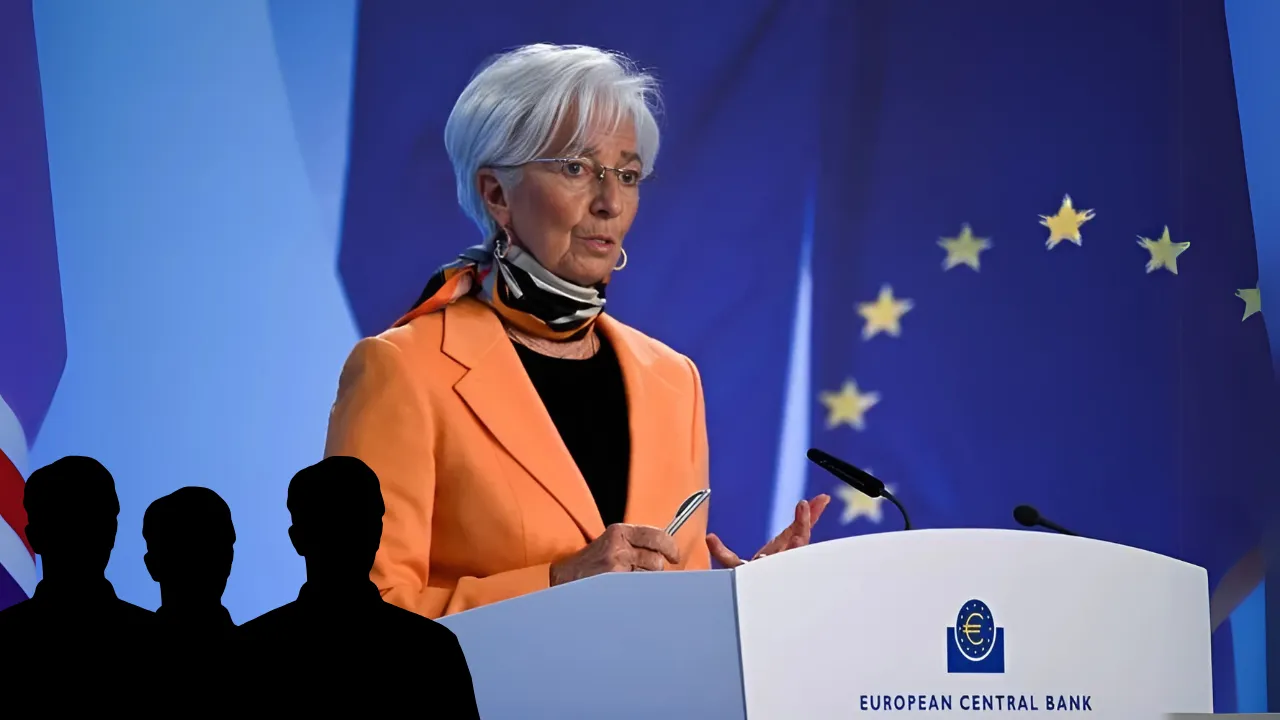
- Christine Lagarde warns of "exceptionally high uncertainty" as Europe retaliates against U.S. tariffs.
Eurozone Inflation Dips Further: A Closer Look at February’s Data
The Eurozone’s inflation rate cooled to 2.3% year-over-year in February 2025, revised downward from preliminary estimates of 2.4%, according to Eurostat. This marks a continued decline from January’s 2.5%, signaling progress toward the European Central Bank’s (ECB) 2% target. However, policymakers remain cautious as global trade tensions threaten to derail disinflation efforts.
Regional Divergence: Who’s Leading the Decline?
- Lowest Inflation: France (0.9%), Ireland (1.4%), Finland (1.5%).
- Highest Inflation: Hungary (5.7%), Romania (5.2%), Estonia (5.1%).
While 14 member states saw inflation fall month-over-month, seven recorded increases—highlighting uneven economic recovery across the bloc.
Breaking Down the Drivers: Energy, Services, and Food Prices
1. Energy Prices Stabilize
Energy costs rose a modest 0.2% annually, a stark contrast to the volatility seen during the 2022–2023 energy crisis. Improved EU energy diversification and mild winter weather contributed to this stability.
2. Services Inflation Eases to 3.7%
The services sector, a persistent inflation driver, showed signs of cooling. Wage growth moderation and reduced consumer demand likely played roles.
3. Food, Alcohol, and Tobacco: Up 2.7%
Supply chain disruptions in Eastern Europe and rising labor costs kept food prices elevated, though the pace has slowed from 2024 peaks.
ECB’s Rate Cut Strategy: Balancing Progress and Uncertainty
The ECB has reduced interest rates six times since mid-2024, with the latest cut bringing the deposit rate to 2.5% in March 2025. Markets now debate whether two additional cuts (to 2%) are feasible by year-end.
Why the Hesitation?
- Trade War Risks: U.S. tariffs under President Donald Trump and EU retaliatory measures threaten to reignite inflation.
- Labor Market Tightness: Unemployment remains near record lows in Germany and the Netherlands, risking wage-price spirals.
- Geopolitical Volatility: Escalating Middle East tensions could disrupt oil supplies.
Christine Lagarde emphasized the need for “agility and clarity” in policymaking, stating, “Guaranteeing 2% inflation in the short term is impossible amid global shocks.”
Christine Lagarde’s Trade War Warning: “Everyone Will Suffer”
In a stark address, the ECB President criticized U.S. protectionism, linking Trump’s tariffs to broader economic risks:
“A real trade war would have severe consequences for global growth and prices. The initiator, retaliator, and re-retaliator all lose—this is a historical constant.”
Lagarde also defended the EU’s founding principles, countering claims that the bloc was designed to disadvantage the U.S.:
“Europe was built for stability post-World War II. To claim it was ‘set up to screw the U.S.’ is an abuse of history.”
Implications for the Eurozone Economy
1. Consumer Relief, But Challenges Persist
Lower inflation boosts household purchasing power, yet high borrowing costs (despite rate cuts) continue to stifle mortgage and business loan demand.
2. Exporters Under Pressure
A stronger euro (up 0.16% against GBP in Q1 2025) risks making EU goods less competitive, particularly if trade wars escalate.
3. Germany’s Surprise Slowdown
February’s unexpected drop in German inflation to 1.8% has raised concerns about Europe’s largest economy entering a deflationary phase.
What’s Next for the ECB?
Market Predictions vs. Reality
- Bloomberg Survey: 67% of economists expect cuts in April and June.
- Investor Sentiment: Futures markets price in a 45% chance of a June cut, preferring a cautious “wait-and-see” approach.
Key Factors to Watch
- April Wage Growth Data: Critical for assessing services inflation risks.
- U.S.-EU Trade Talks: Breakdowns could prompt emergency ECB action.
- Oil Price Trends: Brent crude above $90/barrel may reverse energy disinflation.
Conclusion: A Delicate Balancing Act
The Eurozone’s inflation slowdown to 2.3% offers hope but no room for complacency. With Christine Lagarde acknowledging “exceptionally high uncertainty,” the ECB must walk a tightrope between supporting growth and preempting inflationary shocks. As trade wars loom and markets second-guess rate paths, one truth remains clear: agility will define the Eurozone’s economic resilience in 2025.