

FTSE 100 LIVE: Markets Plunge as Trump’s Tariffs Fuel Global Recession Fears
A Deep Dive into the Market Sell-Off and Its Implications
The FTSE 100 (^FTSE) and European stock markets opened sharply lower on Monday as fears over Donald Trump’s aggressive trade policies triggered a global market rout. Investors worldwide are bracing for the economic fallout from escalating tariffs, with recession concerns mounting.
Why Are Markets Plunging?
President Trump’s latest move to impose reciprocal tariffs on imports has sent shockwaves through financial markets. Speaking to reporters aboard Air Force One, Trump defended his stance, stating, “Sometimes you have to take medicine to fix something.” However, traders interpreted this as a sign of prolonged trade tensions, leading to a risk-off sentiment across equities.
- FTSE 100 dropped 5.4% at the open
- IAG (British Airways owner) fell 10.5%
- Rolls-Royce (RR.L) plunged 10.2%
Global Market Reaction
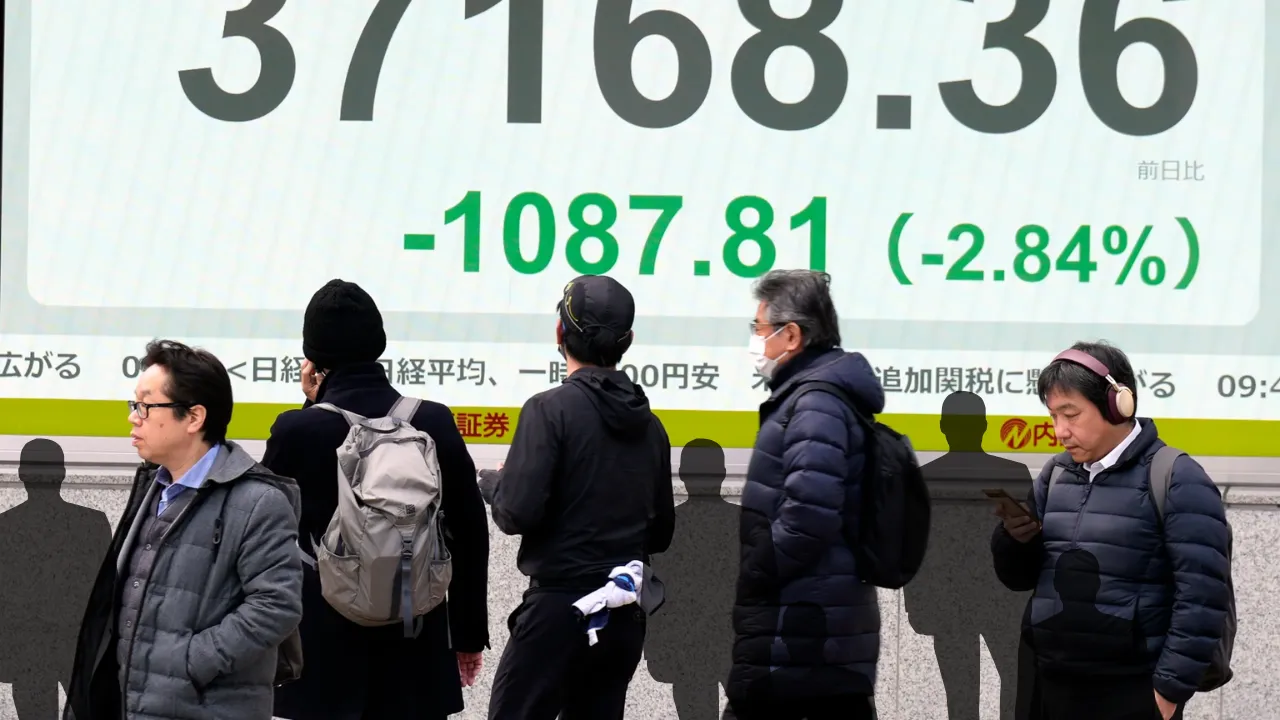
The sell-off wasn’t confined to Europe. Asian markets suffered steep declines, with some exchanges triggering circuit breakers to halt panic selling. U.S. futures also pointed to further losses, indicating that the flight to safety is far from over.
Chris Beauchamp, Chief Market Analyst at IG Group, commented:
“Traders have come back from the weekend to the waking nightmare of Trump’s trade wars. Asian markets played catch-up to their Western counterparts, suffering huge losses. Further declines are likely in Europe and the U.S. as investors rush to exit positions at any cost.”
What’s Next for Investors?
With trade war fears intensifying, market volatility is expected to remain elevated. Key factors to watch:
- Central Bank Responses – Will the Fed or ECB intervene to stabilize markets?
- Corporate Earnings Impact – How will tariffs affect multinational companies?
- Safe-Haven Demand – Gold and bonds may see increased inflows.
Conclusion
The FTSE 100’s sharp decline reflects growing anxiety over trade wars and economic slowdown risks. As Trump’s tariff policies unfold, investors must stay vigilant, diversify portfolios, and monitor central bank policies for potential market relief.