

Oil Prices Decline Amid US Debt Concerns and Potential Supply Increase
Introduction
Oil prices experienced a notable drop on Thursday, May 22, 2025, as concerns over rising US debt and the possibility of increased supply from major oil-producing nations weighed on market sentiment. Brent crude and West Texas Intermediate (WTI) futures both saw declines, reflecting investor apprehension about global economic demand and fiscal stability. Meanwhile, the pound remained steady against the dollar despite rising UK government borrowing, while gold prices held firm amid geopolitical tensions.
This article explores the key factors influencing oil prices, currency movements, and gold markets, providing insights into the latest financial trends.
Oil Prices Fall on Supply Concerns and US Debt Worries
OPEC+ Considers Increased Production
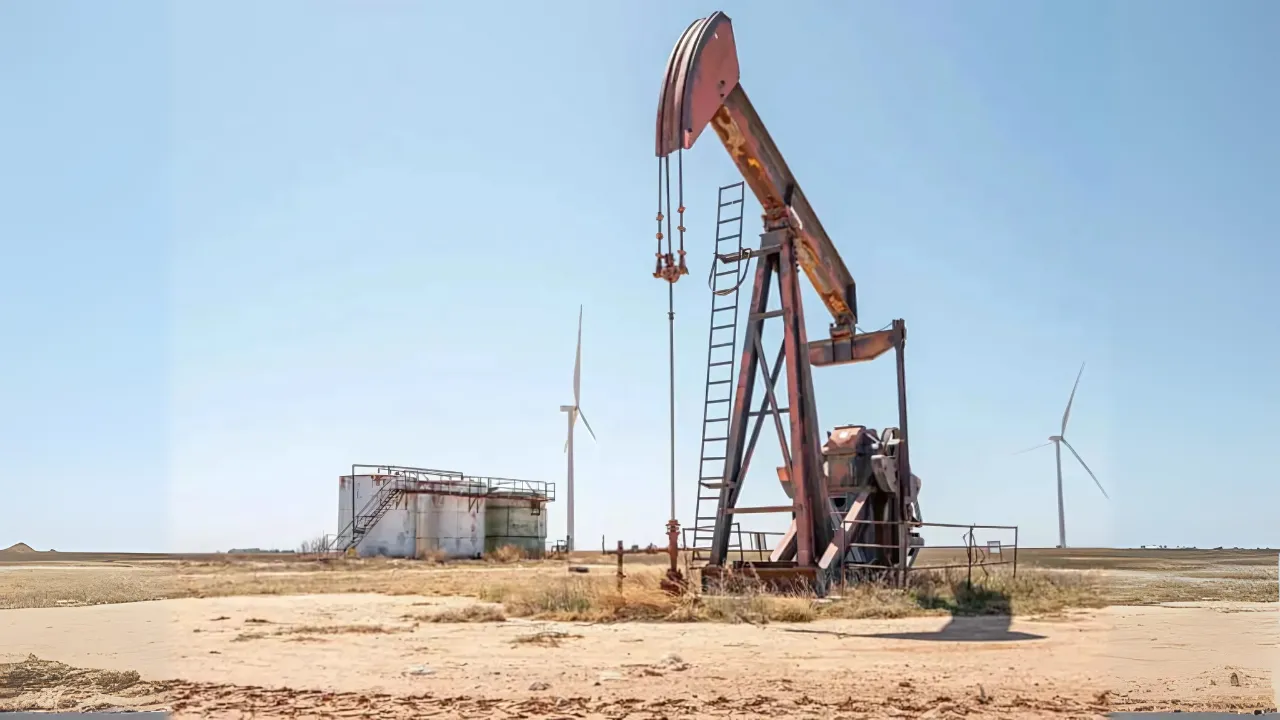
Oil prices declined in early European trading, with Brent crude futures (BZ=F) falling 1.4% to 64.01perbarrel∗∗and∗∗WestTexasIntermediate(CL=F)dropping1.560.68 per barrel. The downturn followed reports that OPEC+ (Organization of the Petroleum Exporting Countries and allies) was discussing a potential third consecutive output increase.
According to Bloomberg, OPEC+ members were considering raising production by 411,000 barrels per day in July—triple the initially planned amount. A final decision is expected at the group’s meeting on June 1.
US Debt Concerns Add to Market Pressure
Beyond supply dynamics, fears about rising US debt contributed to the decline in oil prices. The Trump administration's proposed tax cuts and spending bill—dubbed the "big, beautiful bill"—could add $3.8 trillion to the US federal deficit over the next decade, according to the Congressional Budget Office.
Additionally, weak demand at a 20-year US Treasury bond auction signaled investor unease about America’s growing debt burden. Susannah Streeter, head of money and markets at Hargreaves Lansdown, noted:
"Oil prices have dropped back as concerns about the US debt pile added another layer of wariness about the outlook for the global economy and energy demand."
Pound Holds Steady Despite Rising UK Government Borrowing
UK Fiscal Deficit Widens
The British pound (GBP/USD) remained stable at $1.342, despite data showing UK government borrowing rose to £20.2 billion in April—up £1 billion year-over-year and exceeding forecasts of £17.9 billion.
Public sector net debt, excluding banks, stood at 95.5% of GDP, the highest level since the early 1960s. Danni Hewson, head of financial analysis at AJ Bell, commented:
"It’s not the start to the year the chancellor would have wished for... With inflation rising and geopolitics fractious, everyone will be wondering how good the chancellor is at keeping her balance."
Pound Gains Against the Euro
Meanwhile, the pound strengthened 0.2% against the euro (GBP/EUR), trading at €1.1856. The slight uptick suggested that currency traders were cautiously optimistic despite broader economic uncertainties.
Gold Prices Remain Flat Amid Geopolitical Tensions
Safe-Haven Demand Offsets Economic Concerns
Gold futures (GC=F) held steady at 3,312.30perounce∗∗,whilethe∗∗spotgoldpricedippedslightlyto3,310.28. Investors balanced concerns over US debt and geopolitical risks, particularly tensions in the Middle East.
Reports from CNN indicated that Israel was preparing potential strikes on Iranian nuclear facilities, adding to market jitters. Such geopolitical instability typically boosts demand for gold as a safe-haven asset.
Broader Market Movements
FTSE 100 Declines
The FTSE 100 (^FTSE) fell 0.7% to 8,716.49, reflecting broader market caution. Weakness in oil stocks and lingering concerns about global economic growth contributed to the downturn.
Conclusion
Key Takeaways
- Oil prices dropped due to potential OPEC+ supply increases and US debt concerns.
- The pound remained stable despite rising UK borrowing, while gaining slightly against the euro.
- Gold prices held firm amid geopolitical tensions and economic uncertainty.
- The FTSE 100 declined, mirroring broader market apprehension.
Future Outlook
Investors will closely monitor:
- OPEC+’s June 1 decision on oil production.
- US fiscal policy developments and their impact on debt levels.
- Geopolitical risks, including Middle East tensions.
As markets navigate these challenges, traders should stay informed on macroeconomic trends and policy shifts that could influence commodity and currency movements.