

Oil Prices Edge Higher Over Supply Concerns: Gold and Commodity Market Update
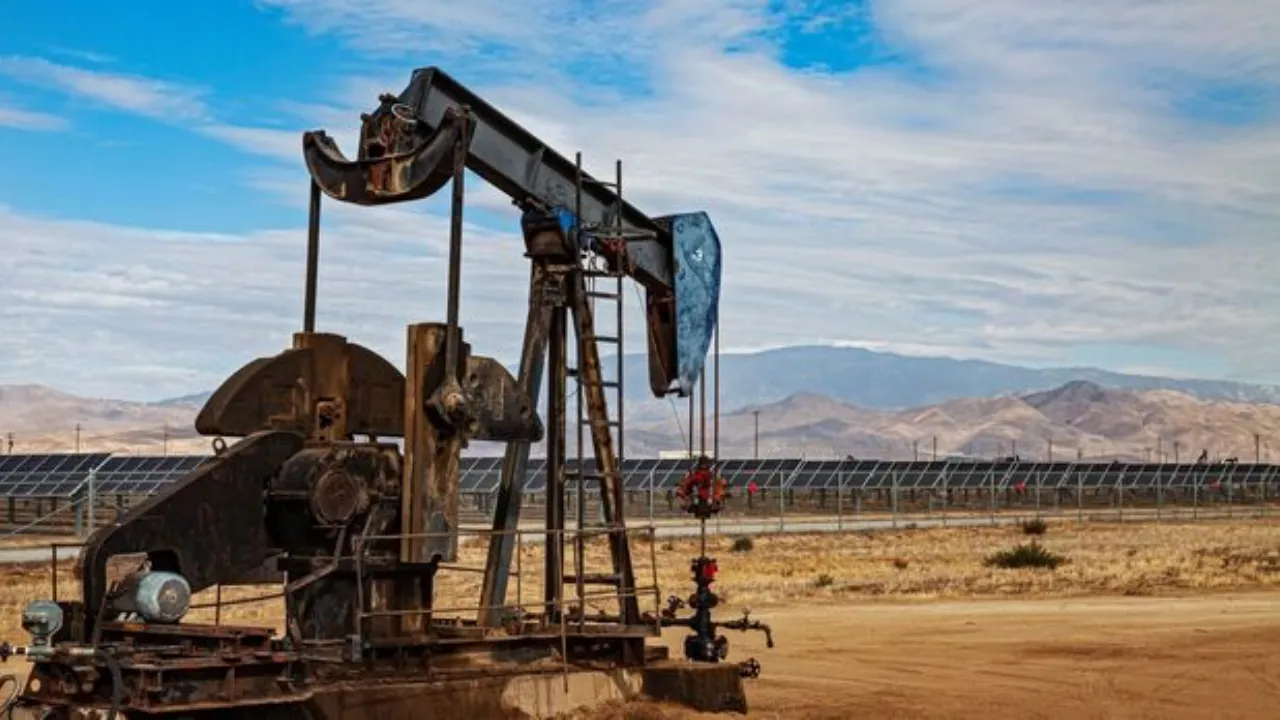
March 26, 2025 — Global commodity markets remained in focus this week as oil prices climbed slightly amid tightening supply concerns, while gold held firm above the $3,000 mark as investors navigated geopolitical and economic uncertainty. Here’s a breakdown of the key drivers shaping oil, gold, and broader markets.
Oil Prices Rise on Falling US Crude Inventories and Geopolitical Tensions
US Crude Stockpiles Drop Sparks Supply Worries
Oil prices inched upward on Wednesday, March 26, as markets reacted to a larger-than-expected decline in US crude inventories. According to data from the American Petroleum Institute (API), crude stockpiles fell by 4.6 million barrels last week, far exceeding the 1 million barrel drawdown forecasted by analysts. This sharp reduction signaled robust fuel demand in the US, reinforcing concerns about tighter global supply.
- Brent crude futures (BZ=F) rose 0.2% to $72.51 per barrel.
- West Texas Intermediate (WTI) crude (CL=F) climbed 0.2% to $69.13 per barrel.
The API report set the stage for the US Energy Information Administration’s (EIA) official inventory data, due later Wednesday. A confirmation of the API figures could amplify bullish sentiment in oil markets.
Trump’s Tariffs on Venezuela Intensify Supply Fears
Adding to supply concerns, former US President Donald Trump announced a 25% tariff on countries importing Venezuelan oil and gas. Venezuela, whose economy relies heavily on oil exports, counts China as its largest buyer. With China already embroiled in a trade dispute with the US, the tariffs threaten to disrupt global oil flows and exacerbate supply constraints.
Analysts warn that the move could strain relations with Beijing while tightening access to Venezuelan crude, which accounts for roughly 3% of global supply.
Russia-Ukraine Ceasefire: Mixed Signals Fuel Volatility
Oil markets also reacted to news of a potential Russia-Ukraine naval ceasefire in the Black Sea. While the US claimed a deal had been struck, Moscow later clarified that the agreement hinged on lifting sanctions against Russian banks and agricultural traders—a condition absent from Washington’s initial statement.
Deutsche Bank strategist Jim Reid noted, “The inconsistency in statements from both sides created whiplash in oil prices. Markets initially dipped on ceasefire hopes but rebounded as the Kremlin’s demands highlighted unresolved tensions.”
The Black Sea region is a critical corridor for Russian oil exports, and prolonged instability could disrupt shipments, further straining global supply chains.
Gold Prices Hold Above $3,000 Amid Economic Uncertainty
Safe-Haven Demand Supports Precious Metal
Gold prices remained resilient, with gold futures (GC=F) hovering near 3,027perounce∗∗andthespotpriceat∗∗3,021. Investors flocked to the precious metal as geopolitical risks—including Trump’s impending tariffs and Black Sea tensions—clouded the economic outlook.
Gold’s status as a safe-haven asset and inflation hedge has bolstered its appeal. With Trump’s tariffs set to take effect in April 2025, fears of renewed trade wars and inflationary pressures loom large.
Long-Term Outlook: Central Bank Buying to Propel Gold Higher
Capital Economics forecasts gold prices will rise to 3,300bylate2025∗∗and∗∗3,500 thereafter. In a recent note, analysts highlighted that demand from central banks and long-term investors will offset headwinds like a stronger US dollar and rising Treasury yields.
“Gold’s fundamentals remain robust,” the firm stated. “Diversification strategies and geopolitical hedging will drive sustained demand.”
Broader Market Movements: FTSE 100 Muted Amid Commodity Swings
The FTSE 100 (^FTSE) traded flat at 8,664 points, reflecting cautious investor sentiment. Meanwhile, the Dow Jones Industrial Average (^DJI) edged up 0.01%, and currency markets saw the British pound (GBPUSD=X) dip 0.32% against the dollar.
Key Takeaways for Investors
- Oil Supply Risks: Falling US inventories, Venezuelan tariffs, and Black Sea tensions underscore a fragile supply-demand balance.
- Gold’s Resilience: Economic uncertainty and inflation fears are likely to keep gold above $3,000.
- Market Volatility: Conflicting geopolitical signals demand a nimble investment strategy.
Looking Ahead: EIA Data and Tariff Deadlines
- EIA Inventory Report: Wednesday’s data will clarify whether the API’s stockpile drawdown aligns with government figures.
- Tariff Implementation: Markets will watch for adjustments to Trump’s April tariff plans, which could sway inflation and growth forecasts.
Happy Trading!