

Pound Rebounds Against Dollar as Trump Softens Stance: Gold, Oil, and Currency Analysis (2025 Update)
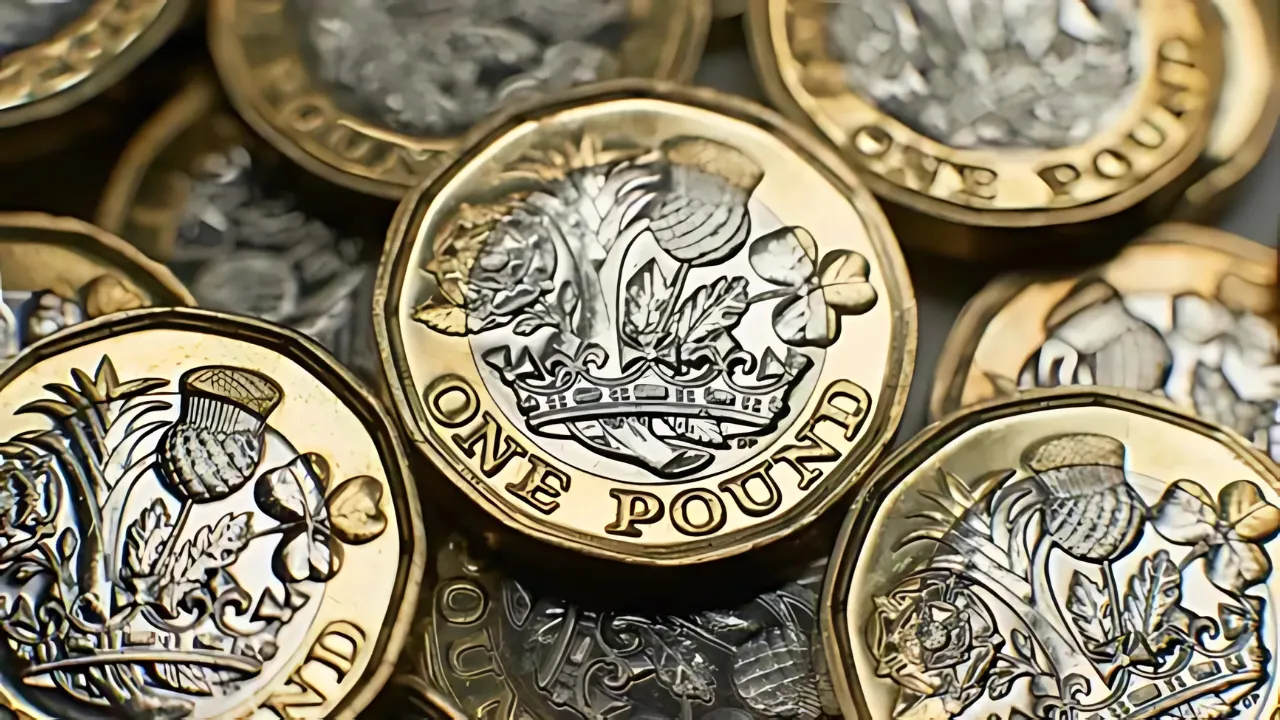
The global financial markets witnessed significant volatility this week, driven by shifting geopolitical narratives and macroeconomic policy adjustments. On 23 April 2025, the British pound clawed back early losses against the US dollar, gold prices retreated from unprecedented highs, and oil surged amid escalating tensions with Iran. Here’s a comprehensive breakdown of the key developments shaping currencies, commodities, and trade dynamics.
Pound Stages Recovery Amid Dollar Volatility
The British pound (GBP/USD) rebounded 0.3% to $1.3334 after an initial dip during European trading hours. This recovery followed remarks from former US President Donald Trump, who walked back earlier threats to impose steep tariffs on Chinese imports and reiterated confidence in Federal Reserve Chair Jerome Powell.
US Dollar Index Strengthens
The US Dollar Index (DXY), which measures the greenback against a basket of six major currencies, rose 0.5% as optimism grew over a potential de-escalation in US-China trade tensions. Trump’s softened rhetoric marked a stark contrast to his previous demands for aggressive tariffs, stating that discussions with Beijing were progressing and that final tariffs would be “substantially lower” than the initially proposed 145%.
Trump’s Fed Remarks Ease Uncertainty
Market jitters had earlier spiked after Trump criticized Powell for resisting interest rate cuts. However, during a press briefing, Trump clarified, “I have no intention of firing Powell,” adding that he hoped the Fed would adopt a “more active” approach to rate reductions. Analysts interpreted this as a temporary truce, easing fears of political interference in central bank independence.
Pound-Euro Dynamics
Meanwhile, the pound slipped 0.3% against the euro (GBP/EUR) to €1.1660, reflecting lingering concerns over the UK’s economic resilience amid stagnant growth forecasts. Kit Juckes, Société Générale’s chief FX strategist, warned, “Aggressive tariffs on goods with no domestic substitutes will fuel inflation and stifle growth—a lose-lose scenario.”
Gold Retreats From Record Highs as Safe-Haven Demand Cools
Gold prices plummeted 2.6% to 3,330.10perounce,retreatingfromTuesday’shistoricpeakabove3,330.10perounce,retreatingfromTuesday’shistoricpeakabove3,500. The sell-off followed Trump’s conciliatory tone, which temporarily alleviated fears of a full-blown US-China trade war and reduced demand for safe-haven assets.
Factors Behind Gold’s Rally and Pullback
- Dollar Weakness: A softer dollar earlier in the week had bolstered gold’s appeal.
- Recession Fears: Growing anxieties over a global slowdown drove investors toward gold.
- Geopolitical Risks: Escalating US-Iran tensions and trade uncertainties amplified bullish sentiment.
However, the metal’s retreat underscores its sensitivity to macroeconomic signals. Despite the dip, analysts remain bullish long-term. JP Morgan projects gold could surpass $4,000/ounce in 2026, citing persistent recession risks and prolonged trade disputes.
Central Banks Fuel Demand
The World Gold Council reported that global central banks added 1,045 metric tons to reserves in 2024, with accelerated purchases in Q4. This institutional buying is expected to underpin prices even amid short-term volatility.
Oil Prices Surge on Iran Sanctions and Supply Tightness
Crude oil extended gains as fresh US sanctions on Iran’s energy sector compounded supply concerns.
Brent and WTI Rally
- Brent crude futures rose 1.6% to $68.52/barrel.
- US West Texas Intermediate (WTI) climbed 1.3% to $64.49/barrel.
Geopolitical Catalyst: Iran Sanctions
The US Treasury imposed sanctions on Seyed Asadoollah Emamjomeh, an Iranian shipping magnate accused of funneling hundreds of millions in Iranian oil and liquefied petroleum gas (LPG) to global markets. This move tightens enforcement of existing restrictions, further squeezing Tehran’s export capabilities.
Inventory Drawdowns Add Support
US crude inventories fell by 4.6 million barrels last week, per American Petroleum Institute data, signaling robust demand ahead of the summer driving season.
ING analysts noted, “The market is pricing in a perfect storm of geopolitical risks, inventory declines, and seasonal demand tailwinds.”
Broader Market Reactions: FTSE 100 Rallies
The UK’s FTSE 100 surged 1.25% to 8,432.94, buoyed by easing trade tensions and strong earnings reports. Investors also welcomed the Bank of England’s cautious stance on rate hikes, which provided relief to equity markets.
Why Trump’s Policy Shifts Could Empower China
Trump’s tariff backtracking has sparked debate over whether China is gaining leverage in trade negotiations. By moderating his demands, Trump risks undermining the US’s bargaining position while granting Beijing room to delay concessions.
Key Implications:
- Inflationary Pressures: Tariffs on Chinese goods lacking US substitutes could raise consumer prices.
- Supply Chain Disruptions: Prolonged uncertainty may deter corporate investments.
- Currency Markets: A weaker dollar policy could erode its reserve currency status long-term.
Looking Ahead: Key Themes to Monitor
- Fed Policy: Will Powell bow to political pressure for rate cuts?
- US-China Talks: Can both nations finalize a “phase two” trade deal?
- Iran Escalation: How will OPEC+ respond to tighter sanctions?
- Gold’s Trajectory: Will institutional buying offset retail investor caution?
Conclusion
The pound’s recovery, gold’s retreat, and oil’s rally underscore the fragility of global markets in the face of geopolitical crosscurrents. Trump’s policy reversals, while easing immediate tensions, raise questions about long-term strategic coherence. Investors must remain vigilant, balancing short-term opportunities against structural risks in currencies, commodities, and equities.