

Stocks Plunge as Trump Tariffs Slam Tech Sector & Powell Warns of Stagflation Risks
Market Meltdown: Tariffs, Tech, and the Fed’s Stark Warning
U.S. stocks faced a brutal sell-off on Wednesday as investors grappled with the dual blows of escalating tariff costs for tech giants and Federal Reserve Chair Jerome Powell’s dire warning about the economic fallout of President Trump’s trade policies. The Dow Jones Industrial Average (^DJI) plummeted 1.7%, shedding 700 points, while the S&P 500 (^GSPC) and Nasdaq Composite (^IXIC) nosedived 2.2% and 3%, respectively. The sell-off underscored mounting fears that Trump’s aggressive tariff agenda could trigger stagflation—a toxic mix of rising inflation and slowing growth—leaving the Fed with few tools to stabilize the economy.
Powell’s Stagflation Warning: A “Challenging” Path Ahead
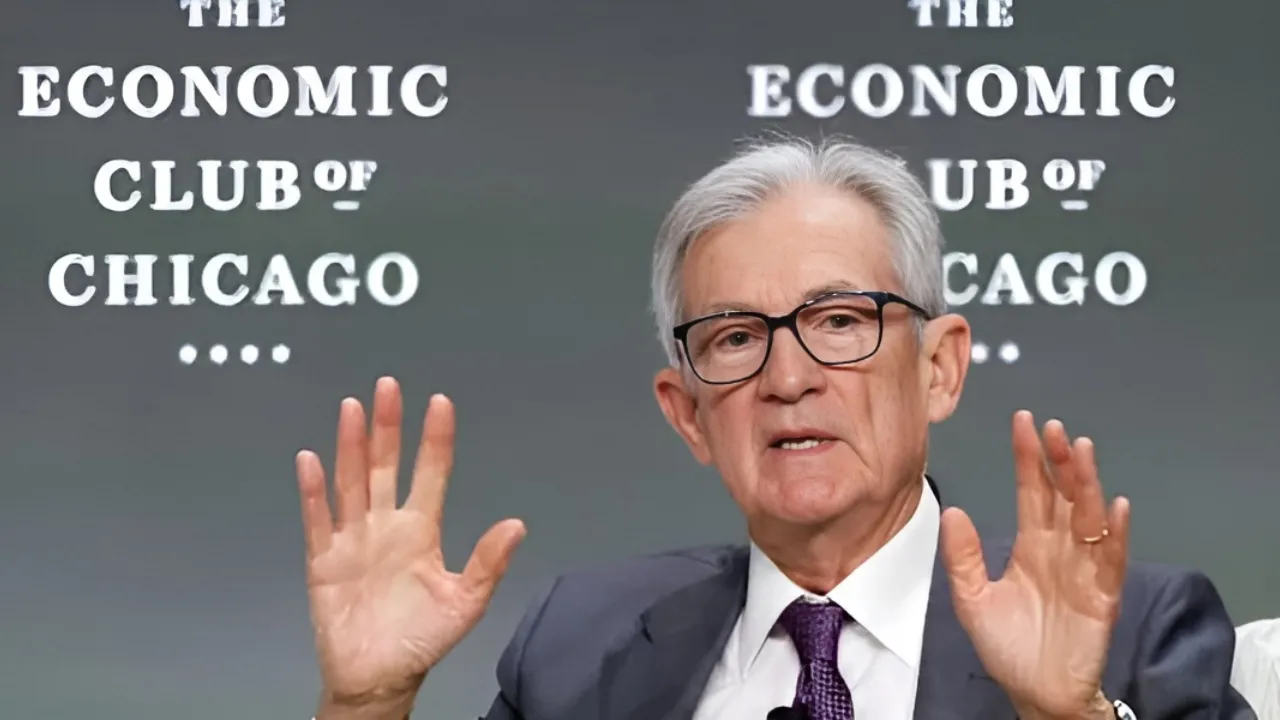
Federal Reserve Chair Jerome Powell delivered his sharpest critique yet of Trump’s trade policies during a speech at the Economic Club of Chicago, warning that sweeping tariffs threaten to destabilize the U.S. economy.
Key Quotes from Powell:
-
“Tariffs are highly likely to generate at least a temporary rise in inflation.”
-
“The inflationary effects could also be more persistent… creating challenging conditions for monetary policy.”
-
“We will wait for greater clarity before considering any interest rate adjustments.”
Powell’s remarks dashed hopes that the Fed would swiftly cut rates to counteract a slowdown, emphasizing that the central bank remains in a holding pattern amid policy uncertainty. His reference to “stagflationary effects” sent shockwaves through markets, reviving memories of the 1970s oil crisis when inflation and unemployment soared simultaneously.
Why This Matters:
-
Delayed Rate Cuts: Investors hoping for a Fed bailout via rate cuts were left disappointed. Powell explicitly rejected the idea of a “Fed put,” denying that the central bank would intervene to prop up equities.
-
Policy Paralysis: The Fed’s “wait-and-see” approach leaves markets vulnerable to prolonged volatility as businesses and consumers absorb higher costs.
Tech Sector Bears the Brunt: Nvidia, AMD Lose Billions
The tech sector led Wednesday’s decline after semiconductor giants Nvidia (NVDA) and AMD (AMD) disclosed massive financial hits from Trump’s new chip export restrictions to China.
By the Numbers:
-
Nvidia: $5.5 billion in projected charges; shares fell 6.87%.
-
AMD: $800 million in potential losses; shares dropped 7.35%.
The restrictions, part of Trump’s “Economic Liberation Day” agenda to curb China’s tech dominance, have disrupted supply chains and forced companies to rethink global operations. Analysts warn the ripple effects could extend beyond semiconductors to industries like AI, automotive, and consumer electronics.
Sylvia Jablonski, CEO of Defiance ETFs:
“This is about uncertainty. Companies can’t plan for the future when policies shift overnight. Investors are pricing in higher risks, and tech stocks are taking the heat.”
Market Reactions: From “Liberation Day” Chaos to Persistent Volatility
Wednesday’s sell-off disrupted a brief period of stability following the initial panic triggered by Trump’s April 1 “Liberation Day” tariffs—a 10% levy on $3 trillion worth of imported goods. Since then, markets have oscillated between cautious optimism and fear-driven trading.
Sector Breakdown:
-
Tech: Worst performer due to chipmaker woes.
-
Energy: Moderately resilient as oil prices inched higher.
-
Consumer Discretionary: Hit by fears of reduced spending power.
Neil Dutta, Renaissance Macro Economist:
“Recession odds are climbing. With Powell delaying cuts, the Fed risks falling behind the curve if growth stalls further.”
The Fed’s Hands-Off Stance: No Rescue for Markets
During a Q&A session, Powell was blunt when asked if the Fed would intervene to halt a market freefall: “No.” His rejection of the “Fed put” theory—the idea that the central bank will slash rates to calm equity sell-offs—signals a stark departure from the accommodative policies of the past decade.
What’s Next for Interest Rates?
-
Rate Cut Timeline: Futures markets now price in just one 25-basis-point cut by December 2025, down from three earlier this year.
-
Inflation Watch: Core CPI data due next week could intensify pressure on the Fed if tariffs drive prices higher.
Investor Strategies: Navigating a “Stagflation Lite” Environment
With stagflation risks looming, analysts urge investors to rethink portfolios:
- Defensive Stocks: Utilities, healthcare, and consumer staples may outperform in high-inflation environments.
- Commodities: Gold and oil could hedge against inflation.
- Tech Caution: Avoid overexposure to semiconductor and AI firms until trade clarity emerges.
- Bonds: Short-duration Treasuries may fare better if rates stay elevated.
Steve Sosnick, Interactive Brokers Strategist:
“Nvidia’s drop is emblematic of broader market anxiety. Earnings season will reveal how widespread tariff pain truly is.”
Historical Parallels: Lessons from Past Trade Wars
Trump’s tariffs evoke memories of the 2018-2020 U.S.-China trade war, which cost U.S. companies $1.7 trillion in market value. However, this round is broader, targeting allies like the EU and Mexico, and includes advanced tech curbs.
Key Differences:
-
Scope: 2025 tariffs affect 14% of global imports vs. 4% in 2018.
-
Tech Focus: Semiconductor restrictions aim to stifle China’s AI ambitions.
The Road Ahead: Political and Economic Crossroads
With Trump vowing to expand tariffs if re-elected and Powell’s Fed on hold, markets face a prolonged period of uncertainty. Upcoming earnings reports from Apple, Amazon, and Tesla will test whether corporate America can absorb higher costs without crushing margins.