

Warren Buffett Boosts Stake in Japanese Trading Houses: Shares Surge as Berkshire Hathaway Expands Investments
Introduction: Buffett’s Bet on Japan Pays Off
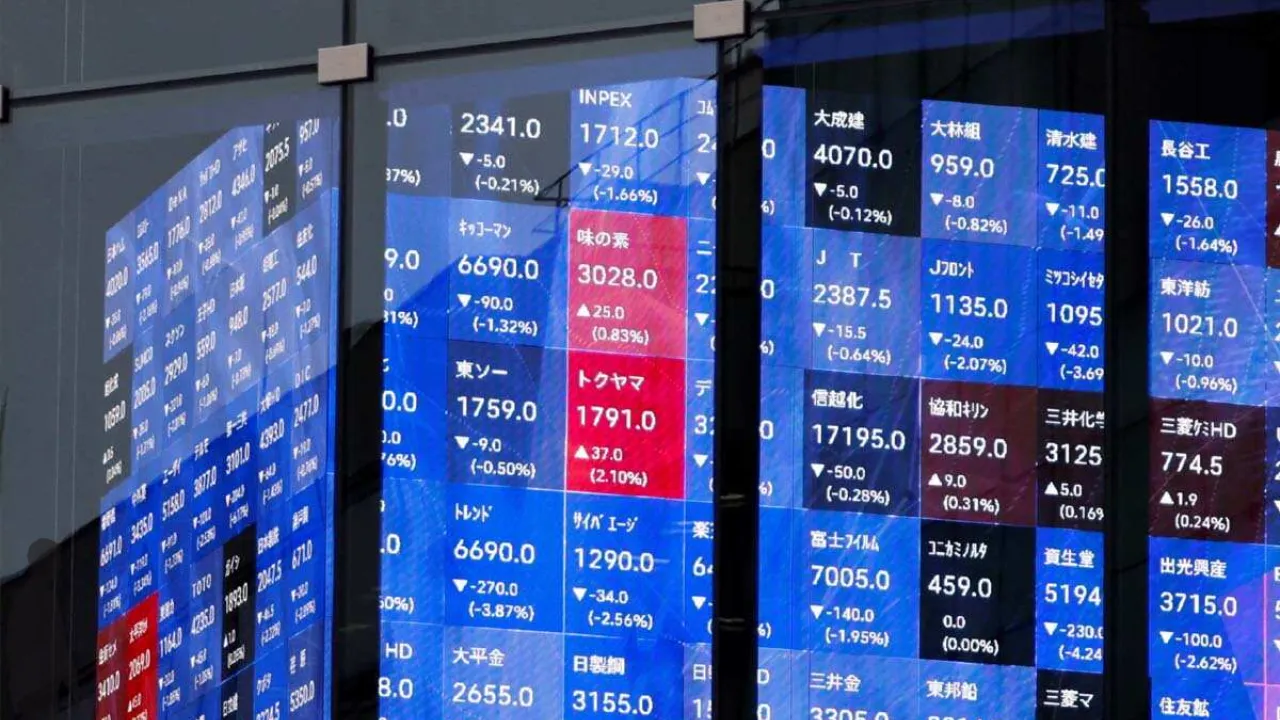
In a move that has sent shockwaves through the financial markets, Warren Buffett’s Berkshire Hathaway Inc. has increased its stake in Japan’s five largest trading houses, driving their share prices up by at least 4% on Tuesday, 18 March 2025. This strategic decision underscores Buffett’s confidence in the Japanese market and highlights the growing appeal of Japanese stocks to global investors. In this article, we delve into the details of Berkshire’s latest investment, the performance of Japanese trading houses, and the broader implications for the global economy.
Berkshire Hathaway’s Growing Stake in Japanese Trading Houses
Key Stats:
- Average Stake Increase: Berkshire’s holdings in Mitsubishi Corp., Marubeni Corp., Mitsui & Co., Itochu Corp., and Sumitomo Corp. rose by over 1 percentage point to approximately 9.3%.
- Share Price Surge: All five trading houses saw their shares climb by at least 4% in early Tokyo trading.
The move comes after Buffett hinted in his annual shareholder letter that Berkshire would continue to increase its ownership in these companies “over time.” This announcement has reignited investor interest in Japanese trading houses, which had been underperforming due to declining commodity prices and slowing earnings growth.
Expert Insights:
-
Hideyuki Ishiguro, Nomura Asset Management: “Buffett’s increased stake is a clear signal of his faith in Japanese trading houses. It also reinforces the view that Japanese stocks remain undervalued compared to global peers.”
Why Buffett is Betting on Japan:
- Undervalued Stocks: Japanese equities are trading at attractive valuations, making them a prime target for value investors like Buffett.
- Stable Returns: Trading houses offer consistent dividends and have diversified portfolios, reducing risk.
- Yen Bonds: Berkshire’s yen-denominated bond issuances provide low-cost funding for further investments in Japan.
Performance of Japanese Trading Houses: A Sector Overview
The wholesale trading sector, represented by the Topix index, had tumbled more than 20% from its peak in July 2024 until Buffett’s letter was released in February 2025. Since then, the sector has rebounded by 7%, outperforming the broader Topix index, which gained just 0.4%.
Key Drivers of the Rebound:
- Buffett’s Endorsement: The “Oracle of Omaha” has a track record of making profitable long-term investments, and his involvement often boosts market confidence.
- Relaxed Stake Limits: The trading houses have agreed to “moderately” relax Berkshire’s previous 10% stake ceiling, paving the way for further investments.
- Commodity Price Recovery: While still volatile, commodity prices have shown signs of stabilization, benefiting trading houses with significant exposure to raw materials.
Top Performers:
- Mitsubishi Corp.: Shares surged 4.5% on the news.
- Marubeni Corp.: Gained 4.2% in early trading.
- Mitsui & Co.: Rose 4.1%, driven by strong investor sentiment.
Berkshire’s Yen Bond Issuance: Fueling Japan Investments
Berkshire Hathaway’s yen bond issuances have been a key enabler of its Japanese investments. In October 2024, the company sold its largest-ever yen bond, raising ¥282 billion ($2.1 billion). This follows a series of yen-denominated bond sales since its debut issuance in 2019.
Why Yen Bonds?
- Low Interest Rates: Japan’s ultra-low interest rates make yen bonds an affordable source of funding.
- Currency Hedge: Issuing bonds in yen reduces currency risk for Berkshire’s Japanese investments.
- Market Confidence: Regular issuances demonstrate Berkshire’s commitment to the Japanese market, boosting investor confidence.
Akira Morimoto, SMBC Nikko Securities: “Berkshire’s yen bond issuances are closely watched by equity investors, as they often precede significant investments in Japanese companies.”
Broader Implications for the Japanese Economy
Buffett’s growing stake in Japanese trading houses is a vote of confidence in Japan’s economic resilience and corporate governance reforms. Over the past decade, Japan has implemented measures to improve shareholder returns, including higher dividends and share buybacks.
Key Takeaways:
- Global Investor Interest: Buffett’s move could attract more foreign investors to Japanese equities, boosting liquidity and market valuations.
- Sector Revival: The trading house sector, which had been lagging, may see renewed growth as commodity prices stabilize and global trade recovers.
- Economic Growth: Increased foreign investment could spur economic growth, particularly in sectors like energy, infrastructure, and technology.
Challenges Ahead: Risks to Watch
While Buffett’s investment is a positive signal, challenges remain for Japanese trading houses:
- Commodity Volatility: Fluctuations in oil, gas, and metal prices could impact earnings.
- Global Trade Tensions: Rising protectionism and trade barriers pose risks to international operations.
- Domestic Headwinds: Japan’s aging population and sluggish domestic demand could limit growth opportunities.
Conclusion: Buffett’s Long-Term Vision for Japan
Warren Buffett’s decision to increase Berkshire Hathaway’s stake in Japanese trading houses reflects his long-term investment philosophy and confidence in Japan’s economic potential. As global markets navigate uncertainty, Japan’s undervalued stocks and stable returns offer a compelling opportunity for investors.
For retail and institutional investors alike, Buffett’s move serves as a reminder of the importance of patience, diversification, and strategic thinking in achieving long-term financial success. As Berkshire continues to expand its footprint in Japan, the world will be watching closely to see how this bet unfolds.