

World Bank Chief Economist Warns of Emerging Market Debt Crisis and Advocates Trade Liberalization
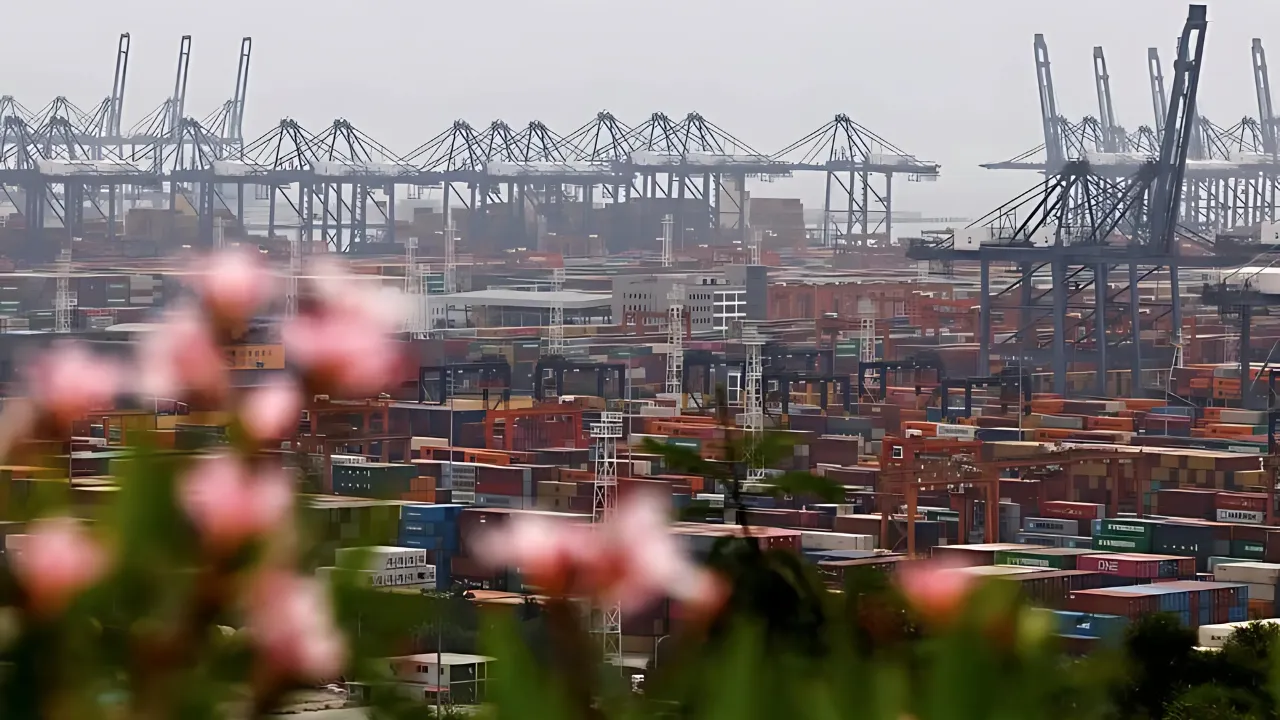
Rising Debt and Trade Uncertainty Threaten Emerging Markets
WASHINGTON — The World Bank’s chief economist, Indermit Gill, has issued a stark warning about the mounting debt crisis in emerging markets and developing economies. Compounding these challenges are escalating trade tensions triggered by a wave of tariffs imposed by U.S. President Donald Trump, which have further destabilized global economic growth.
Speaking in an exclusive interview with Reuters, Gill emphasized that while advanced economies are facing significant growth downgrades, developing nations are also feeling the strain. The International Monetary Fund (IMF) recently slashed its global growth forecast for 2025 to 2.8%, down from its earlier projection of 3.3%, citing trade conflicts as a key factor.
The Impact of Rising Tariffs on Global Trade
The IMF and World Bank’s Spring Meetings in Washington were dominated by concerns over Trump’s aggressive tariff policies and retaliatory measures from China, the European Union, Canada, and other nations. These protectionist moves have injected unprecedented uncertainty into global markets, with trade growth expected to plummet to just 1.5%—far below the 8% growth rates seen in the early 2000s.
Gill noted that uncertainty indices, already elevated over the past decade, have surged further since Trump’s April 2 tariff announcements. Unlike previous economic shocks—such as the 2008 financial crisis or the COVID-19 pandemic—the current turmoil stems directly from government policies, meaning it could be reversed with political will.
Emerging Markets Face a "Slowdown on Top of a Slowdown"
Emerging markets, which once enjoyed robust growth rates of around 6%, are now grappling with persistent stagnation. Foreign direct investment (FDI) in these economies has dwindled from 5% of GDP during peak periods to just 1% today. Portfolio flows have also declined sharply, mirroring trends seen during past financial crises.
“This is a sudden slowdown on top of a situation that wasn’t particularly good to begin with,” Gill said.
The Looming Debt Crisis in Developing Nations
One of the most pressing concerns is the surge in debt distress among developing nations. Gill revealed that nearly half of 150 emerging markets and low-income countries are either already struggling to service their debts or are at high risk of default—double the rate seen in 2024.
Key indicators of financial stress include:
- Net interest payments now consume 12% of GDP in emerging markets, up from 7% in 2014.
- Poorer nations are even worse off, with debt servicing costs eating up 20% of GDP, compared to 10% a decade ago.
With inflation expectations rising and interest rates likely to remain elevated, many countries face a dangerous cycle where refinancing existing debt becomes increasingly costly. This leaves fewer resources for critical investments in education, healthcare, and infrastructure—key drivers of long-term development.
Trade Liberalization as a Solution
Gill urged developing nations to proactively negotiate trade agreements with the U.S. and other major economies to lower tariffs and avoid further economic damage. He argued that reducing trade barriers could stimulate growth, citing World Bank models that predict significant economic benefits from such reforms.
“Now is the time for countries to act,” Gill said. “U.S. pressure could help overcome domestic resistance to trade liberalization, which would ultimately boost growth and stability.”
The Path Forward
The current economic landscape presents a critical juncture for policymakers. While rising debt and trade wars pose severe risks, strategic reforms—such as tariff reductions and stronger fiscal management—could help emerging markets navigate these challenges.
As global economic uncertainty persists, the World Bank’s message is clear: Without urgent action, the debt crisis in developing nations will deepen, exacerbating inequality and stifling growth for years to come.
Key Takeaways:
- Emerging markets face a dual crisis—rising debt burdens and slowing trade growth.
- Trade wars are worsening economic instability, with global trade growth expected to fall to 1.5%.
- Debt distress is spreading, with half of developing nations at risk of default.
- Trade liberalization could provide relief, but political will is needed to implement reforms.
For the latest updates on global economic trends and policy responses, stay tuned to Reuters and World Bank reports.